
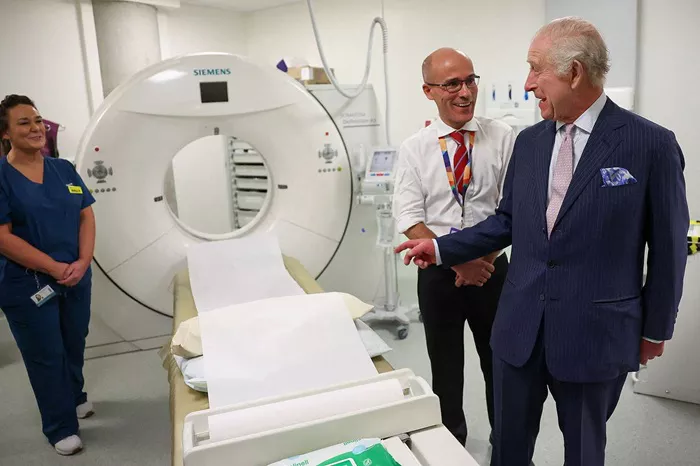
King Charles has encouraged people to attend cancer screenings, sharing details of his own diagnosis to highlight the importance of early detection.
The 77-year-old monarch said he was “deeply troubled” that at least nine million people in the UK are not up to date with available cancer screenings, warning that opportunities to detect the disease early are being missed.
In a personal message released on Friday in support of Stand Up To Cancer, King Charles revealed that his treatment would be scaled back in the new year, describing it as a “personal blessing” following an “overwhelming” journey.
Cancer Research UK praised the King’s openness, saying it could prompt others to monitor their health and consult a GP if they notice worrying symptoms.
The King disclosed that he was diagnosed with cancer in February 2024. While the palace has not specified the type, officials said the issue was discovered after treatment for an enlarged prostate revealed “a separate issue of concern.”
Recorded at Clarence House two weeks ago, the King’s message urged Britons to overcome any “embarrassment” about screenings, stressing that early detection is “key.”
How to Get a Cancer Screening
The King highlighted a new national Screening Checker, available on the Stand Up To Cancer website, which allows people to verify their eligibility for cancer screening programs. Cancer Research UK notes that the tool is for informational purposes and does not provide medical advice.
Eligible individuals are typically invited automatically to screening programs run by the NHS and the Public Health Agency (PHA) in Northern Ireland. Those who qualify will receive a postal invitation outlining the test, its benefits, and potential risks to help them decide whether to participate.
Cancer screening targets people without symptoms, aiming to detect disease early when treatment is more likely to succeed, or to prevent cancer from developing. While screening saves thousands of lives annually, it is not foolproof, and participation carries some risks.
What If You Have Symptoms?
People experiencing symptoms should contact their GP rather than rely on the Screening Checker. Cancer Research UK advises that unusual or concerning signs should prompt immediate medical consultation, even if a recent screening was completed.
The charity emphasizes: “You won’t be wasting your doctor’s time. Most cases will not be cancer, but early detection can make a real difference if it is.”
Related topic:
