
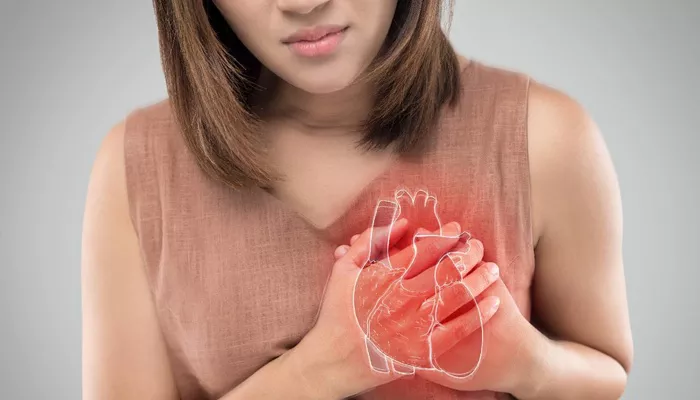
New research indicates that women diagnosed with uterine fibroids face a markedly higher risk of developing heart disease over the long term. The study, published today in the Journal of the American Heart Association, found that the likelihood of cardiovascular disease in these women was more than 80% higher than in women without fibroids.
Uterine fibroids are generally benign growths that develop in the muscular tissue of the uterus. According to the U.S. Office of Women’s Health, between 20% and 80% of women may develop fibroids by age 50. Previous studies on fibroids and cardiovascular risk were limited by small sample sizes, lack of diversity, and study design issues.
“We set out to address these critical gaps using a large, diverse dataset with extended follow-up,” said lead researcher DiTosto. “Our findings suggest that fibroids may serve as an important marker for identifying women at elevated cardiovascular risk, with sustained increased risk persisting up to 10 years after diagnosis.”
The researchers analyzed data from a U.S. health database spanning 2000 to 2022, including over 450,000 women with fibroids and nearly 2.25 million women without the condition. Participants, with an average age of 41, were monitored for incidences of coronary artery disease, cerebrovascular disease, and peripheral artery disease over a decade.
Key findings included:
Women with fibroids had higher risk for all three major cardiovascular conditions after 10 years.
The overall risk of developing cardiovascular disease was 81% higher among women with fibroids.
Over the 10-year period, 5.4% of women with fibroids experienced a cardiovascular event, compared to 3% of women without fibroids.
The increased heart disease risk was observed across all racial and ethnic groups, including White, Black, Hispanic, and Asian women.
Among women under 40, the risk was 251% higher, or more than 3.5 times greater, for those with fibroids.
“The strength of the relationship between fibroids and heart disease risk was striking,” DiTosto noted. She emphasized the need for further research to confirm these findings before changes to cardiovascular risk assessment guidelines are recommended. In the meantime, she encouraged women and their healthcare providers to discuss heart health in the context of a fibroid diagnosis.
Stacey E. Rosen, M.D., FAHA, highlighted the study’s broader implications. “Cardiovascular disease is the leading cause of death among women, and this study underscores the importance of considering all aspects of women’s health,” she said. Rosen noted that annual well-woman visits offer opportunities to address heart health alongside gynecologic care, even for women with no apparent risk factors.
The study acknowledged some limitations. Fibroids may have been undiagnosed in women in the comparison group, potentially affecting the results despite researchers’ efforts to account for underdiagnosis.
Study Details:
Sample size: 2,701,062 women, average age 41; 450,177 with fibroids and 2,250,885 controls.
Data source: Optum Clinformatics® Data Mart Database, covering inpatient, outpatient, and pharmacy claims from 2000 to 2022.
Fibroids were identified using ICD-9/10, CPT, or HCPCS codes, with confirmation through imaging when applicable.
Primary outcome: first-time major atherosclerotic cardiovascular disease, including coronary artery, cerebrovascular, and peripheral artery diseases.
Models adjusted for sociodemographic factors, cardiovascular risk factors, mental health conditions, reproductive history, cancer, healthcare utilization, and medication use.
The study’s findings highlight uterine fibroids as a potential early warning sign for cardiovascular risk, reinforcing the importance of comprehensive care for women.
Related topic:
