
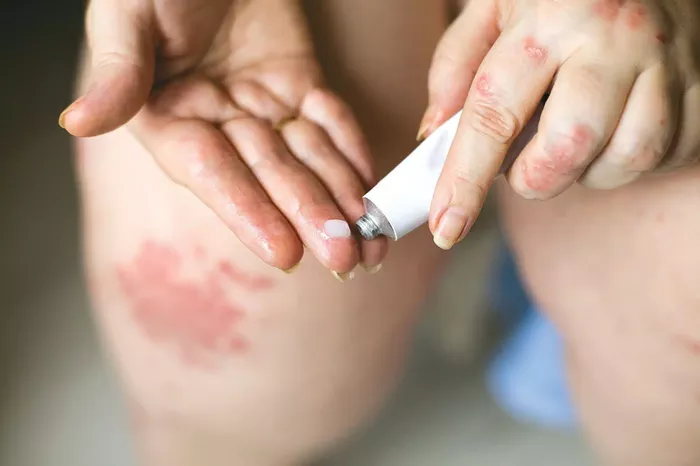
When atopic dermatitis, also known as eczema, flares, topical steroids are often the first-line treatment to reduce inflammation and itching. These medications range from low-potency options available over the counter to higher-potency prescription creams.
However, topical steroids are not meant for long-term use, says Dr. Tanya Evans, dermatologist and medical director of the skin cancer program at MemorialCare Saddleback Medical Center in Laguna Hills, California.
“Topical steroids usually work well to calm a flare, but you would likely use them only for two to three weeks,” Evans explains. “Over time, steroid use can thin the skin, making it fragile. While this is reversible, it’s better to use steroids briefly and occasionally, and rely on other treatments for ongoing management.”
Sometimes, even high-potency steroids fail to control eczema. This may happen if a person is constantly exposed to triggers such as dry air, dust mites, food allergies, or stress. Identifying and avoiding triggers is crucial, as is exploring alternative medications.
Prescription Topical Treatments
If topical steroids are insufficient, dermatologists may prescribe other topical medications:
Calcineurin Inhibitors: Pimecrolimus (Elidel) and tacrolimus (Protopic) reduce inflammation by blocking calcineurin, a protein that triggers immune responses in the skin.
Phosphodiesterase-4 (PDE-4) Inhibitors: Crisaborole (Eucrisa) and roflumilast (Zoryve) slow an overactive immune response, reducing itching, swelling, and rashes.
JAK Inhibitors: Ruxolitinib (Opzelura) disrupts inflammatory signals and is approved for teenagers and adults.
Aryl Hydrocarbon Receptor Agonists: Tapinarof (Vtama) helps repair the skin’s protective barrier while reducing inflammation.
“Prescription topicals may be combined with other treatments depending on flare frequency and severity,” Evans notes.
Systemic Medications
For more severe cases, systemic medications work throughout the body to control inflammation.
Oral JAK Inhibitors: Abrocitinib (Cibinqo) and upadacitinib (Rinvoq) reduce immune system signals. Patients may not see immediate improvement, but itching usually subsides quickly.
Biologics: Injectable medications, including dupilumab (Dupixent), lebrikizumab (Ebglyss), nemolizumab (Nemluvio), and tralokinumab (Adbry), block specific interleukins to minimize inflammation.
Conventional Immunosuppressants: For severe, unresponsive cases, cyclosporine, methotrexate, azathioprine, and mycophenolate may be used. Oral corticosteroids are generally avoided due to only temporary benefits.
“Newer options like JAK inhibitors and biologics are preferred because they target specific parts of the immune system without broadly suppressing immunity,” Evans adds.
Managing atopic dermatitis often requires a combination of trigger avoidance, topical treatments, and, in severe cases, systemic therapies. Consulting a dermatologist is essential to tailor the best treatment plan.
Related topic:
