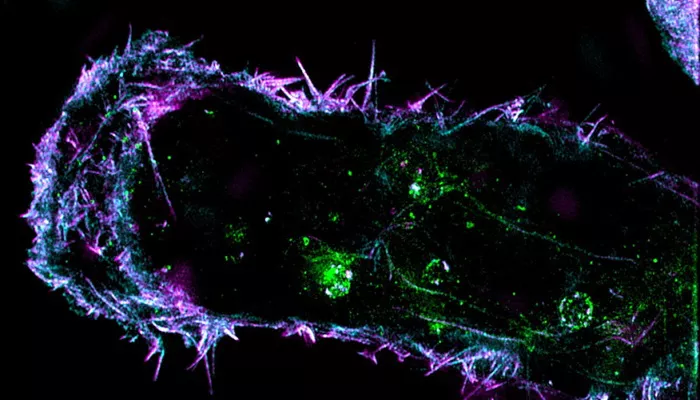
Breast cancer can modify the lymphatic vessels it uses to reach nearby lymph nodes, allowing it to spread to other parts of the body. A new study by Finnish researchers could pave the way for therapies designed to block this process.
The most dangerous aspect of breast cancer is its ability to metastasize. Typically, the first sign is the presence of cancer cells in the lymph nodes that drain the tumor site. In breast cancer, these initial nodes are usually located in the armpit.
Researchers at the University of Turku in Finland examined changes in lymphatic vessels caused by cancer. They discovered that significant molecular alterations occur in the lymphatics as cancer spreads to the lymph nodes. These changes appear to facilitate the movement of cancer cells into the nodes and support further metastasis throughout the body.
The study also identified a protein called Matrix Gla protein (MGP), which cancer cells use to attach to lymphatic vessels. MGP was found in higher levels in metastatic lymph nodes but not in distant, unaffected nodes. Previously known for its role in bone formation, this study is the first to reveal MGP’s involvement in lymphatic vessels and cancer spread.
Samples for the research were collected from breast cancer patients at Turku University Hospital, highlighting the importance of collaboration between clinicians and scientists.
Breast cancer remains one of the most common cancers in women worldwide, with millions of new cases each year. In Finland, over 5,000 women are diagnosed annually. Thanks to early detection and effective treatment, about 90 percent of Finnish patients survive at least five years after diagnosis. Early detection continues to be key to improving patient outcomes.
Related topic:
- Plateau in Cervical Cancer Treatment Rates Threatens Canada’s 2040 Goal
- Rising Role of Hematological, Biochemical Markers in Breast Cancer Diagnosis
- Ob Gyn Experts Highlight Indocyanine Green for Vulvar Cancer Detection