
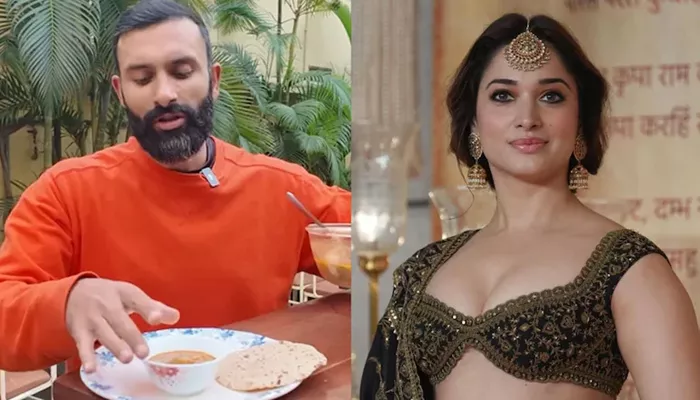
Celebrity fitness trainer Siddhartha Singh, who works with actors Tamannaah Bhatia and Kangana Ranaut, says many Indian lunches appear wholesome but are often nutritionally unbalanced. A typical plate of rotis, sabzi and rice tends to become “carbs on top of carbs,” leaving little room for protein, fibre or key nutrients, he explained in a recent Instagram post.
Singh breaks down why Indian meals tilt so heavily toward carbohydrates and how simple adjustments can make them more nourishing.
Rethinking the Roti-Sabzi Habit
Indian thalis commonly include several rotis—sometimes five or more. Singh says that while chapatis are a dietary staple, too many can spike blood sugar and hinder weight control. He recommends limiting rotis to one or two, which creates space for more nutrient diversity without reducing satisfaction.
When Vegetables Add More Carbs
Potato-based dishes such as aloo ki sabzi are household favourites but contribute additional carbohydrates. Singh notes that these foods aren’t unhealthy, but portion size matters to maintain balance.
Adding Fibre for Volume
One of the quickest ways to improve lunch quality is by including raw vegetables. Singh suggests adding a small bowl of salad to boost fibre intake, aid digestion and extend satiety—all without adding excess calories.
Making Protein a Priority
The biggest missing element in many Indian lunches is protein. Singh advises adding easy, high-protein options like Greek yoghurt, which provides nearly 20 grams of protein in half a cup. Paneer is another suitable alternative.
Small Tweaks, Big Results
By reducing excess rotis, moderating carb-heavy sabzis, adding fibre and prioritising protein, a carb-dominated plate becomes more balanced and sustaining. “This small adjustment can make a huge difference in your fitness journey,” Singh says.
He concludes by reminding that smart eating is as important as consistent training.
Related topic:
