
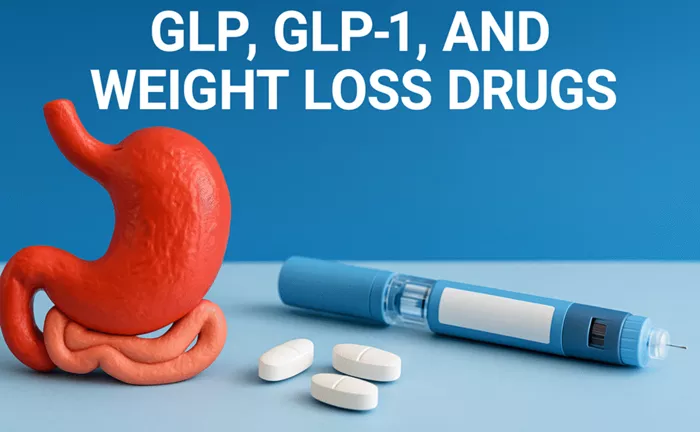
The World Health Organization (WHO) has officially endorsed the use of glucagon-like peptide-1 receptor agonists (GLP-1RAs) for weight loss, while warning that access to these drugs may remain limited for most patients. The WHO predicts that by 2030, fewer than 10% of eligible patients will be able to obtain the medication.
In newly released guidelines, the WHO recommended that GLP-1RAs should be used as part of a comprehensive obesity treatment plan. This plan includes healthy eating, regular physical activity, and ongoing support from healthcare professionals. The organization stressed that the use of these medications should not replace lifestyle interventions but should complement them.
The recommendation comes with certain conditions. The WHO highlighted the need to consider factors such as long-term effectiveness, cost, and the potential for inequitable access. The agency also emphasized that broader strategies are necessary to ensure that all patients who could benefit from GLP-1RAs have the opportunity to do so.
GLP-1RA therapies were already added to the WHO’s essential medicines list for managing type 2 diabetes in high-risk patients in September 2025. This new guidance marks the first time the WHO has issued official recommendations for the use of GLP-1RAs in obesity treatment.
Obesity is a growing global health concern, affecting more than one billion people today. Projections suggest this number could double by 2030. WHO Director-General Dr. Tedros Adhanom Ghebreyesus said, “Obesity is a major global health challenge that WHO is committed to addressing. Our new guidance recognises obesity as a chronic disease that requires comprehensive, lifelong care. While medication alone will not solve this crisis, GLP-1RA therapies can help millions of people lose weight and reduce related health risks.”
The GLP-1RA market has expanded rapidly in recent years, driven by high demand. Major pharmaceutical companies, including Eli Lilly and Novo Nordisk, dominate the market with drugs such as tirzepatide and semaglutide. The weight loss drug Zepbound, a form of tirzepatide, generated $3.6 billion in revenue in the third quarter of 2025, a 185% increase from the same period in 2024. Revenue from GLP-1RA therapies helped Eli Lilly become the first healthcare company to reach a market value of $1 trillion. Pfizer has also entered the field, acquiring Metsera, a biotech developing longer-lasting GLP-1RAs, for $10 billion in November 2025.
Despite rising sales, the market has faced supply challenges. In 2024, widespread shortages of GLP-1RAs highlighted the strain on production caused by unprecedented demand. While manufacturers have since expanded output, the WHO predicts that less than 10% of patients who could benefit will have access to these therapies by 2030.
To improve access, the WHO recommends strategies such as pooled procurement, tiered pricing, and voluntary licensing.
Analysts note that the global obesity market is poised for continued growth, with estimates projecting its value to reach $206.5 billion by 2031, up from $12.3 billion in 2021.
Related topics:
