
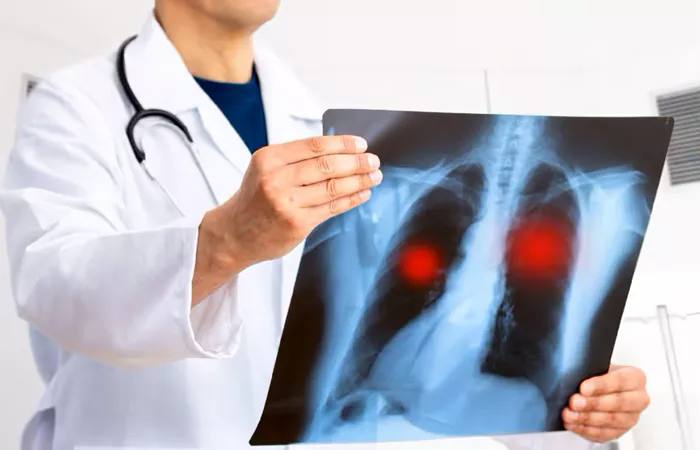
A large U.S. study suggests that the type of carbohydrates people eat may influence their risk of developing lung cancer. Researchers found that diets with a higher glycemic index (GI) were associated with a modestly increased risk, while diets with a higher glycemic load (GL) appeared to lower risk.
The study analyzed data from 101,732 adults participating in the National Cancer Institute’s Prostate, Lung, Colorectal, and Ovarian Cancer Screening Trial.
Participants completed detailed dietary questionnaires between 1993 and 2001 and were followed for about 12 years. Researchers compared individuals with the highest versus lowest GI and GL intake, adjusting for smoking and other health factors.
Those who consumed diets with the highest glycemic index had a 13 percent greater overall risk of developing lung cancer compared with those whose diets had the lowest GI. This elevated risk applied to both non–small cell and small cell lung cancers.
In contrast, the group with the highest glycemic load showed about a 28 percent lower overall risk, particularly for non–small cell lung cancer. There was no significant association for small cell lung cancer.
The findings suggest that diets emphasizing high-quality carbohydrates—such as fruits, vegetables, and whole grains—rather than high-GI foods may help reduce lung cancer risk. Researchers caution, however, that smoking remains the dominant risk factor, and diet should be considered alongside other lifestyle choices.
Related topics
