
Former Prime Minister Lord David Cameron has revealed that he was diagnosed with prostate cancer and successfully treated within the last year. He has also expressed support for targeted screening programs aimed at catching this common cancer in men early.
Prostate cancer is the most frequently diagnosed cancer in men. It usually grows slowly over many years. The cancer starts in the prostate, a small gland located just below the bladder that helps produce semen.
Symptoms often do not appear until the prostate grows large enough to press on the urethra, the tube that carries urine from the bladder out of the penis. In the UK, about 55,000 men are diagnosed with prostate cancer every year.
The most common signs include needing to urinate more often and having trouble starting to pee. Some men also feel like their bladder is never fully empty. These symptoms do not always mean cancer is present, but they should be checked by a doctor.
Scientists do not fully understand what causes prostate cancer. However, the risk increases with age, especially in men over 50. Having a father or brother with prostate cancer also raises the risk. For reasons not yet clear, prostate cancer is more common in Black men and less common in Asian men. Obesity is another known risk factor.
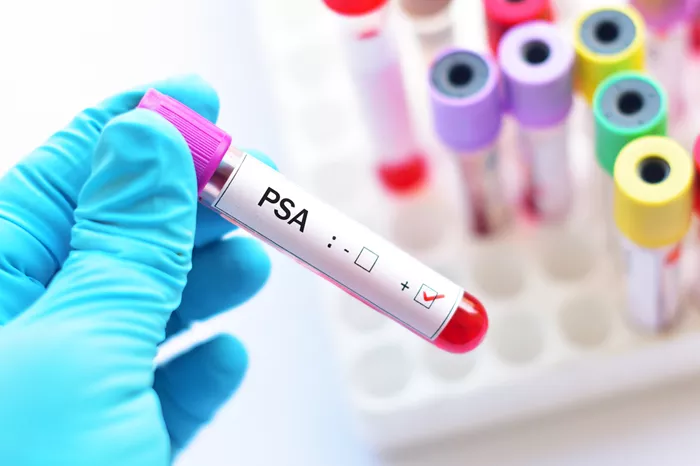
Doctors use several tests to diagnose prostate cancer. These include a physical prostate check called a digital rectal exam (DRE), blood tests, MRI scans, and biopsies. A prostate specific antigen (PSA) blood test may be done to look for signs of prostate problems. High PSA levels may indicate cancer or other prostate conditions.
The PSA test is not used for routine screening by the NHS because it cannot always reliably identify which cancers need treatment. However, men over 50 can request this test from their GP.
If prostate cancer is found early and is not causing symptoms, doctors may suggest “active surveillance” or “watchful waiting.” This means regularly monitoring the cancer to see if it is growing. Many treatments have side effects, such as erectile dysfunction or more frequent urination, so slow-growing cancers may be closely observed instead of treated immediately.
Treatment options vary. Surgery to remove the prostate, radiotherapy, hormone therapy, or focal therapy using ultrasound or electrical pulses can all be used. If the cancer spreads to other parts of the body, such as bones or lymph nodes, it can no longer be cured but treatments like hormone therapy or chemotherapy are available.
Hormone therapy blocks testosterone or prevents it from reaching cancer cells. Since prostate cancer usually needs testosterone to grow, this approach is very important. Combining external beam radiotherapy with other treatments can also help some men live longer.
Treatment plans depend on the patient, so men should discuss options carefully with their doctors.
Related topics:
