
The first invitations have been sent to men across the UK to join TRANSFORM, the largest prostate cancer screening trial in a generation. The £42 million study is led jointly by UCL, Imperial College London, Queen Mary University of London, and the Institute of Cancer Research.
The trial is being run with the NHS through the National Institute for Health and Care Research (NIHR), which has contributed £16 million. Prostate Cancer UK is funding the remaining £26 million with support from its donors and founding partners.
Among the six national research leads are UCL experts Professor Mark Emberton and Professor Caroline Moore. TRANSFORM builds on two decades of UCL research that has changed how prostate cancer is detected and diagnosed.
Professor Emberton explained that earlier screening tools were limited and often missed dangerous cancers. He said that modern techniques, especially MRI, now allow doctors to “see” cancer and understand which tests work best to identify men at highest risk.
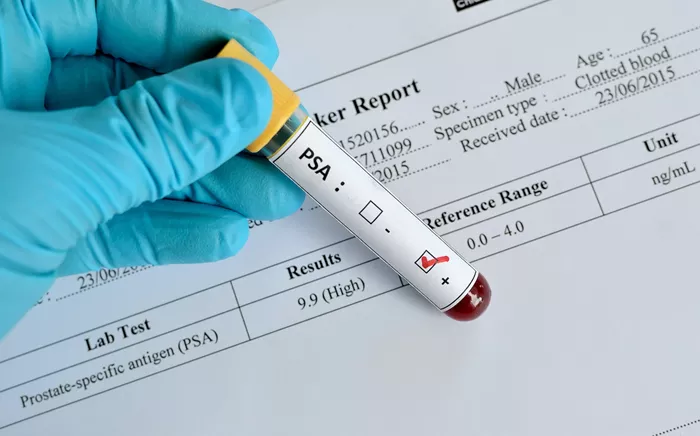
Professor Moore added that PSA testing is known to reduce deaths, but newer methods—such as MRI and polygenic risk scoring—could save lives more quickly and with fewer harms. Polygenic scoring uses a person’s DNA to estimate their likelihood of developing certain diseases, including common cancers.
This week, the first group of men will receive letters from their GPs inviting them to take part. TRANSFORM aims to make diagnosis earlier and safer by testing a combination of PSA blood tests, genetic saliva tests, and fast MRI scans. These tools have never been tested together in a trial of this scale.
The launch comes ahead of an upcoming decision by the UK National Screening Committee (NSC) on whether existing evidence supports a national screening programme. TRANSFORM will generate new data that goes far beyond what is currently available. If the NSC decides more evidence is needed, early results from TRANSFORM could help shift the balance within two years.
A key goal of the trial is to reduce long-standing inequalities in prostate cancer care. Black men face double the risk of developing prostate cancer and double the risk of dying from it. Yet they remain under-represented in research. To improve this, at least one in ten men invited to the trial will be Black. Researchers will work closely with Black community leaders to ensure strong participation so that future evidence reflects those most at risk.
Prostate Cancer UK Chief Executive Laura Kerby said the launch marks “the future of prostate cancer screening.” She praised the partnership with the UK government and thanked donors for helping fund the trial. She encouraged the public to support the project, noting that men who join the study could help save thousands of lives in the UK and many more worldwide.
The first 16,000 men recruited will take part in stage one, which compares new testing methods with the current NHS pathway. The most effective approaches will then be tested in a second stage involving up to 300,000 men. This will make TRANSFORM the largest prostate cancer trial in more than 20 years and create the biggest collection of prostate cancer samples, scans, and data ever assembled in the UK.
Professor Hashim Ahmed, Chief Investigator of TRANSFORM and Chair of Urology at Imperial College Healthcare NHS Trust, described the trial as “game-changing.” He said the combined use of fast MRI, PSA testing, and genetic tools will help identify cancers earlier, minimise late diagnosis, reduce harms, and allow new tests to be added as they emerge.
The trial will invite men aged 50–74, or 45–74 for groups known to have higher risk, including Black men. The first testing site to open is the InHealth Community Diagnostic Centre in Ealing, with more sites to follow.
For many, the trial offers hope for more accurate diagnosis. Steve Kavanagh, 64, from Hampshire, was diagnosed with prostate cancer in 2023. Despite regular PSA tests, his cancer was not found until a later scan and targeted biopsy. He believes TRANSFORM will help prevent other men from experiencing missed diagnoses. He encouraged anyone invited to “please consider saying yes.
Related topics:
