
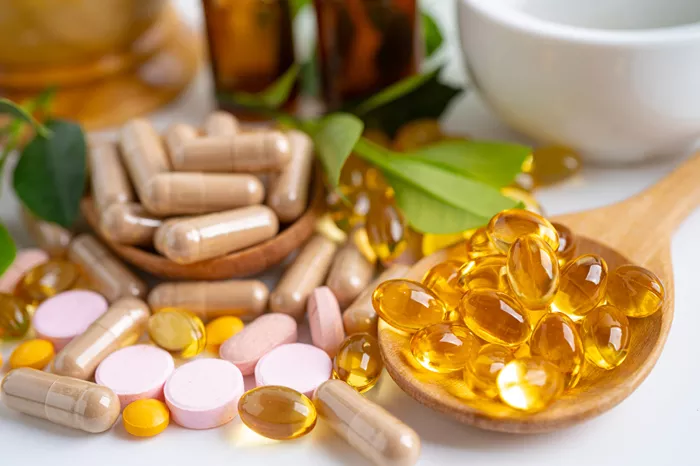
Vitamin E is a fat-soluble vitamin that offers more than just skin benefits. It protects cells, supports the immune system, and may promote heart, brain, and eye health. Found naturally in foods, supplements, and within the body, vitamin E is a versatile nutrient essential for overall wellness.
Daily Needs and Sources
Adults need about 15 mg of vitamin E per day, which increases to 19 mg during breastfeeding. You can get vitamin E from foods like almonds, peanuts, sunflower seeds, avocado, spinach, broccoli, and certain oils such as sunflower and safflower oil.
Why Vitamin E Matters
Vitamin E acts as an antioxidant, helping protect cells from damage. It also supports the cardiovascular system and helps maintain strong immunity. Although vitamin E deficiency is rare, people with digestive disorders that affect fat absorption, such as Crohn’s disease or cystic fibrosis, may be at risk. Symptoms of deficiency can include muscle weakness, nerve damage, vision problems, and a weakened immune system.
Health Benefits of Vitamin E
Immune Support: Vitamin E may reduce the risk of infections and some allergic conditions like asthma.
Muscle Recovery: Regular vitamin E intake may reduce exercise-induced muscle damage and oxidative stress.
Skin Health: Consuming vitamin E-rich foods may help the skin stay hydrated, reduce inflammation, and provide mild sun protection.
Healthy Aging: As an antioxidant, vitamin E can help combat cell damage caused by free radicals, supporting aging gracefully.
Eye Health: Vitamin E is found in the retina and may help with age-related eye conditions, though more research is needed.
Heart Health: Vitamin E may help lower blood pressure and support overall cardiovascular function.
Brain Health: Vitamin E’s antioxidant properties may protect against cognitive decline and oxidative stress in the brain.
How to Include Vitamin E in Your Diet
- Snack on nuts like almonds or hazelnuts.
- Add avocado to salads or toast.
- Use oils such as sunflower or safflower in cooking.
- Incorporate fruits like kiwi and mango into meals or smoothies.
Even small portions can provide significant vitamin E. For instance, just one ounce of almonds—about 23 nuts—meets nearly half of an adult’s daily requirement.
Vitamin E Supplements
Supplements come in natural (d-alpha tocopherol) or synthetic (dl-alpha tocopherol) forms. Mixed synthetic forms are absorbed more efficiently, though both can be effective. Because vitamin E is fat-soluble, it can accumulate in the body, so high doses can increase bleeding risks. Always consult a doctor before starting supplements, especially if you are on blood thinners, have a bleeding disorder, or are undergoing cancer treatment.
Safety Tips
Avoid exceeding the recommended dosage. The maximum safe supplemental dose is 1,000 mg/day for adults.
Take vitamin E with foods containing healthy fats for best absorption.
Rely on food sources whenever possible to reduce the risk of overdose.
Conclusion
Vitamin E is essential for health, offering antioxidant protection and support for the heart, brain, eyes, and skin. It is abundant in nuts, seeds, oils, and certain fruits and vegetables. Supplements are an option when dietary intake falls short, but careful monitoring is important due to potential side effects.
Related topics
