
Exercise benefits many parts of your health, including your heart and mental well-being. It may also influence testosterone, the hormone that supports muscle growth. However, the way exercise affects testosterone is complex.
“Testosterone levels are affected by exercise, but we still need more research to fully understand it,” says Edward Cherullo, M.D., chair of urology at Rush University Medical Center in Chicago.
Testosterone is the main male sex hormone, produced in the testicles. It helps build muscle and supports other body functions. Still, muscle growth also depends on other hormones and factors.
How Exercise Affects Testosterone
Exercise does influence testosterone, but the effect varies. “Certain exercises, depending on how intense and long they are, can raise testosterone. Others may lower it,” explains Anthony Hackney, Ph.D., a professor of exercise physiology at the University of North Carolina.
Research shows mixed results. Ahmed El-Zawahry, M.D., a urologist at the University of Toledo Medical Center, says, “Overall, exercise does not significantly change testosterone levels.” Weightlifting may temporarily increase T, but the boost usually does not last.
Your body composition and fitness level also matter. A 2016 study found that overweight and obese men experienced larger testosterone increases when they exercised, compared to only dieting. Elite male athletes sometimes have lower testosterone, possibly due to high cortisol levels from intense training. These athletes are often healthy and lean, without symptoms of low T, which may be more important than the hormone numbers themselves.
Exercise helps testosterone indirectly, too. “Working out improves overall health and lowers body fat, which can boost testosterone,” says Brian McNeil, M.D., chief of urology at SUNY Downstate Health Sciences University. Obesity is linked to low testosterone and other health problems.
Best Exercises for Testosterone
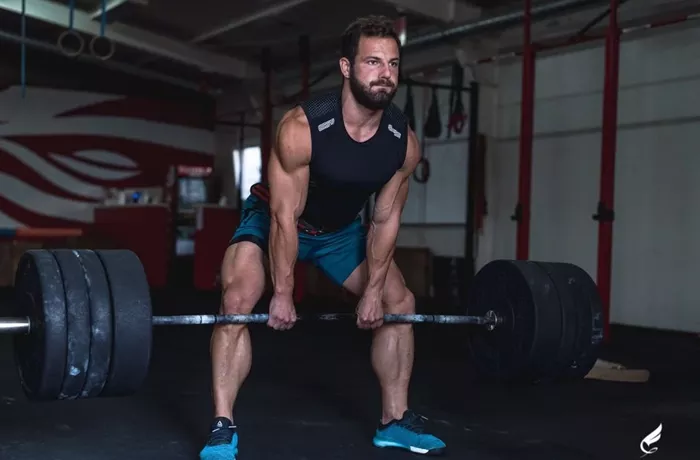
Strength training and high-intensity interval training (HIIT) appear to raise testosterone more than endurance exercises like running or swimming. Within resistance training, higher intensity and more volume—such as heavy lifting with multiple sets over 45 minutes—produce the strongest effect.
A 2016 study found that exercises targeting large muscle groups first, like chest and glutes, then smaller groups, produced the largest testosterone response. However, no exercise will cause a long-lasting spike in testosterone. Temporary increases usually last 15 minutes to an hour after intense workouts.
Mixing endurance and resistance training may cancel out testosterone benefits, according to Hackney. Still, any form of exercise improves overall health, helps maintain a healthy weight, and supports normal testosterone levels. Yoga and Pilates, which incorporate strength elements, may also have a positive impact.
Testosterone Testing and Exercise
Testosterone naturally fluctuates during the day, peaking in the morning. Doctors usually test T in the morning for accuracy. Morning workouts, like early runs or HIIT classes, generally do not affect test results. Regular exercise benefits testosterone indirectly by improving body composition and overall health, even if it doesn’t cause a long-term rise in levels.
In short, exercise is essential for health and may provide temporary testosterone boosts. Weightlifting and HIIT are the most effective for short-term increases, but the main benefits of exercise come from maintaining a healthy weight and overall fitness, which naturally support testosterone.
Related topics
