
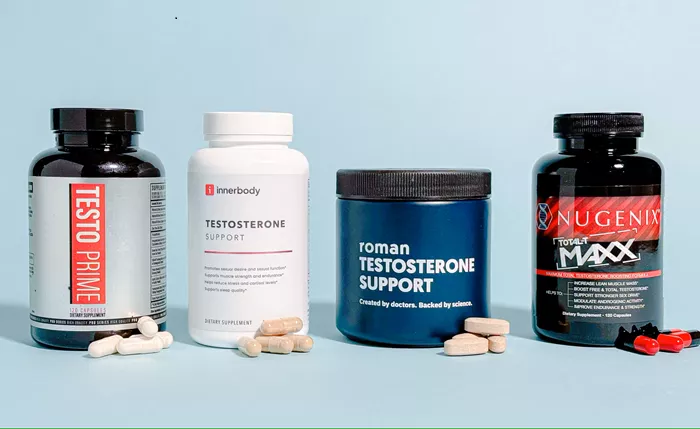
Testosterone is a key steroid hormone produced mainly in the testicles in people assigned male at birth, and in smaller amounts in the ovaries in people assigned female at birth. The adrenal glands also contribute small quantities. This hormone plays a critical role in sexual function, muscle development, and overall health.
During puberty, testosterone drives physical changes such as increased muscle mass, deepening of the voice, and hair growth in males. Adults also rely on balanced testosterone levels for maintaining muscle strength, sexual health, and reducing disease risk. In females, testosterone contributes to sexual well-being, bone density, and overall vitality.
1. Exercise Regularly and Lift Weights
Exercise is one of the most effective ways to boost testosterone naturally. Resistance training, like weightlifting, can increase testosterone levels in the short term. High-intensity interval training (HIIT) may also provide benefits. Even moderate activity can contribute to healthier hormone levels over time.
Consistency is key. Combining strength training with cardiovascular exercises can support overall fitness while promoting hormonal balance.
2. Maintain a Balanced Diet
Nutrition directly affects hormone levels. A diet rich in protein helps preserve muscle mass, while healthy fats support hormone production. Carbohydrates are also essential for energy and overall hormonal balance. Avoid extreme diets or chronic overeating, as both can negatively affect testosterone.
Focus on whole foods including lean meats, fish, eggs, nuts, vegetables, and whole grains. A well-rounded diet is one of the easiest ways to support testosterone naturally.
3. Manage Stress and Cortisol Levels
Chronic stress raises cortisol, a hormone that inversely affects testosterone. High cortisol levels can lead to weight gain, increased fat storage, and reduced testosterone. Stress management techniques, such as meditation, yoga, deep breathing, or regular physical activity, can help maintain a healthy hormonal balance.
4. Increase Vitamin D Intake
Vitamin D is essential for overall health and may influence testosterone levels. Deficiency in vitamin D is common and may be linked to lower testosterone. Sunlight exposure is a natural source, and supplements may be recommended for those with low levels. Always consult a healthcare professional before starting supplements.
5. Consider Safe Supplements
Certain supplements may support healthy testosterone levels. Zinc and magnesium have been shown to improve testosterone in individuals with deficiencies. Herbal options such as ashwagandha, ginger, and saw palmetto have some evidence of benefit, though more research is needed. Always consult a doctor before introducing supplements, especially if you take medications or have health conditions.
6. Prioritize Quality Sleep
Sleep is critical for hormone production. Studies show that poor sleep correlates with lower testosterone levels. Adults should aim for 7–9 hours of restorative sleep per night to support overall health and maintain optimal hormone levels.
7. Limit Exposure to Estrogen-Like Chemicals
Everyday chemicals such as bisphenol-A (BPA) and parabens can mimic estrogen in the body, potentially disrupting testosterone production. Reduce exposure by choosing BPA-free products, avoiding certain plastics, and using natural personal care products whenever possible.
8. Moderate Alcohol Consumption
Excessive alcohol intake can lower testosterone rapidly, even within 30 minutes of drinking. Chronic heavy drinking can impair testicular function. Moderation or abstaining from alcohol can help maintain healthy testosterone levels and support overall well-being.
Conclusion
Testosterone levels peak in late adolescence and gradually decline with age, decreasing about 1–2% per year after age 30. Low testosterone has been linked to obesity, increased disease risk, and reduced quality of life. For people assigned female at birth, maintaining healthy testosterone alongside estrogen and progesterone is also important.
Incorporating regular exercise, balanced nutrition, stress management, adequate sleep, and careful supplement use can help optimize testosterone naturally. These lifestyle adjustments not only support hormone levels but also improve overall health and vitality.
Related topics
Supplements for Testosterone Booster 2025: TestoPrime Launches in the USA
Best Testosterone Booster 2025: How to Choose the Right One
Testosterone Booster: Causes of Low Testosterone in Young Men
