
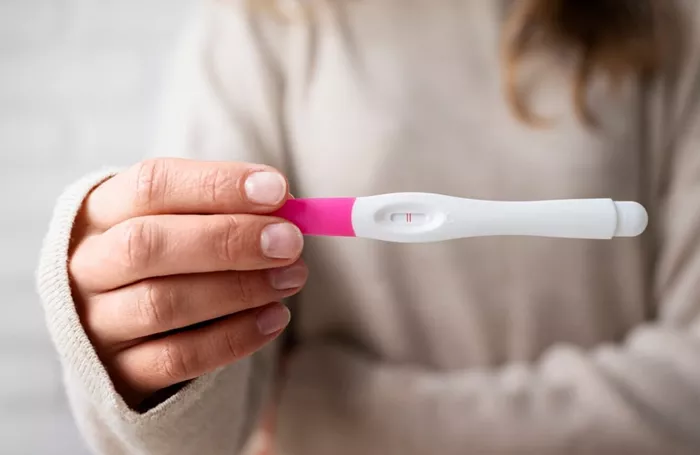
For many women, trying to conceive is not a straightforward process. Conditions such as polycystic ovary syndrome (PCOS) can complicate fertility, but recent advances offer increasing hope.
PCOS is a hormonal disorder that affects egg development and ovulation. According to Dr. Shaun C. Williams, a reproductive endocrinologist at Illume Fertility in Norwalk, Connecticut, “The ovaries produce higher levels of androgens—male-like hormones—rather than estrogen, disrupting the normal hormone cycle.” This imbalance often prevents regular egg release, a primary cause of infertility. Women with PCOS may also experience symptoms like acne and excess hair growth due to elevated androgen levels.
The causes of PCOS are multifactorial, ranging from genetics and hormonal influences to environmental factors. Despite these complexities, research continues to improve fertility outcomes for women with the condition.
Advances in IVF for PCOS Patients
In vitro fertilization (IVF) has become an increasingly effective option for women with PCOS. Dr. Alexander Kotlyar, a reproductive endocrinologist at Genesis Fertility in Brooklyn, notes that many eggs in PCOS patients are immature. “Laboratory techniques to mature these eggs are improving, potentially enhancing IVF success rates,” he said.
Modern IVF protocols have evolved to maximize egg quality while minimizing risks associated with PCOS, such as ovarian hyperstimulation syndrome. Medications like Lupron, used to trigger ovulation, now carry a lower risk for these patients, making IVF safer and more predictable.
The Role of Supplements in Fertility
Some natural supplements, such as inositols, are gaining attention for their potential to support fertility in women with PCOS. Dr. Hadi Ramadan, a reproductive endocrinologist with Boston IVF, explains that inositols help the body process insulin and support egg development. They may improve menstrual regularity, enhance egg quality, and reduce insulin resistance.
Dr. Nirali Jain of IVI RMA North America notes that myo-inositol can promote more predictable ovulation and better hormonal balance when used alongside lifestyle interventions. However, a 2025 JAMA study found that starting myo-inositol during pregnancy did not significantly reduce complications such as gestational diabetes or preeclampsia. “While safe, inositols are most useful before conception rather than as a preventive measure during pregnancy,” Jain said.
Optimizing Ovulation Timing
Timing ovulation induction is another key strategy for improving fertility in PCOS. Research published in 2024 suggests that increasing the dose or duration of ovulation-stimulating medications like Letrozole can significantly improve ovulation rates. Dr. Kotlyar notes, “This approach may reduce trial-and-error dosing and shorten the time to pregnancy.”
Emerging Role of GLP-1 Medications
GLP-1 receptor agonists, including semaglutide (Ozempic, Wegovy), are also showing promise for women with PCOS, especially those with obesity or insulin resistance. These medications can reduce body weight, improve insulin sensitivity, lower androgen levels, and normalize menstrual cycles. Dr. Williams highlights that while these drugs are effective, they should be discontinued before conception.
Conclusion
PCOS remains a complex condition affecting fertility, but advances in IVF, targeted supplements, ovulation timing strategies, and metabolic medications are improving outcomes. By combining medical treatment with lifestyle interventions, women with PCOS increasingly have multiple pathways to conception and a healthier reproductive journey.
Related topics
