
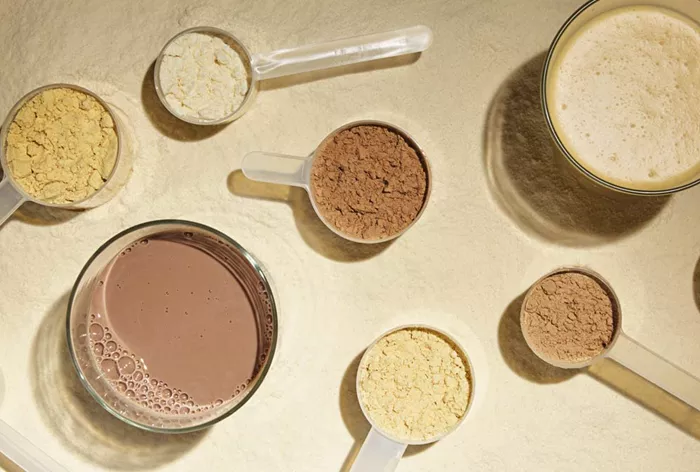
A recent investigation analyzed 23 protein powders and ready-to-drink shakes sold in the United States. Findings revealed that more than two-thirds of these products contained lead levels exceeding what experts consider safe for a single serving. Notably, plant-based protein powders recorded the highest average lead concentrations.
Consumer Reports (CR) noted that plant-based powders measured higher lead content than their animal-based counterparts. On average, lead levels in plant proteins were approximately nine times higher than whey-based products and twice the levels found in beef-based powders.
Two products, Naked Nutrition Vegan Mass Gainer and Huel Black Edition, were flagged for exceptionally high lead levels, and experts advise consumers to avoid these products.
Expert Commentary on Protein Powder Safety
Tunde Akinleye, a food safety researcher at Consumer Reports, led the study comparing single-serving lead exposure across popular formulas. Pieter Cohen of Harvard Medical School, though not involved in the study, expressed concern: “Quite disappointed to see the results,” highlighting the broader implications for public health.
How Lead Contaminates Protein Powders
Lead enters protein powders primarily through plants absorbing contaminants from soil and water. Legacy soil pollution in areas where peas, rice, and other protein crops are grown contributes to higher lead levels. Bioaccumulation in plant tissues further raises concentrations along the food chain.
Cohen emphasized that plants can absorb more lead than usual, explaining why plant-based protein powders exhibited higher average lead content in the study.
Some companies dispute these implications, emphasizing rigorous testing. Huel, for example, stated that its products are “completely safe to consume” and meet international safety limits.
Defining Safe Lead Exposure
Consumer Reports benchmarked lead levels against California’s Proposition 65, which sets a Maximum Allowable Dose Level (MADL) of 0.5 micrograms per day. This conservative threshold aims to protect against reproductive harm. Lead can persist in bones for months to years, making it crucial to minimize intake over time.
The investigation also screened for cadmium and inorganic arsenic, which were present in some products, emphasizing the need for careful ingredient sourcing and quality control.
Regulatory Landscape and Industry Challenges
Dietary supplements, including protein powders, reach store shelves without routine premarket approval from the Food and Drug Administration (FDA). Consumer Reports urges federal authorities to establish strict limits for heavy metals in protein products. Existing FDA guidelines, such as those for baby foods, offer nonbinding action levels but do not yet extend to adult supplements.
Serving sizes vary widely across products, which can increase total heavy metal exposure even if per-gram concentrations appear low, further complicating safety assessments.
Health Implications of Heavy Metal Exposure
Chronic exposure to heavy metals is linked to neurological, cardiovascular, and developmental disorders. Even small daily doses accumulate faster than the body can eliminate them, and historical “safe” exposure levels may not reflect current understanding of low-dose toxicity.
Public trust in supplements depends on credible oversight. Establishing enforceable limits for lead, cadmium, and arsenic would protect consumers and reward manufacturers who already adhere to stricter voluntary standards.
Practical Guidance for Consumers
Consumers should carefully read serving sizes, as weight gainers can deliver larger total doses of protein and potentially lead. Identifying protein sources—such as pea, rice, or mixed plant proteins—can help assess risk, but soil conditions remain a variable factor.
Look for third-party certifications like NSF Certified for Sport or Informed Choice for extra assurance, while understanding that no certification guarantees zero lead content.
Rotating protein sources and incorporating whole foods such as dairy, eggs, beans, fish, and poultry can help minimize exposure and meet daily protein needs effectively.
Lessons for Safe Protein Consumption
Consumers should favor brands that publish batch testing results and clarify sourcing practices. Shakes should be treated as dietary supplements rather than the foundation of nutrition. Alternating plant-based powders and maintaining moderate serving sizes can reduce exposure risk and support long-term health.
Overall, consistent low-level exposure is safer than intermittent spikes caused by oversized servings. Awareness, moderation, and informed choices remain key to minimizing heavy metal intake from protein supplements.
Related topics
