
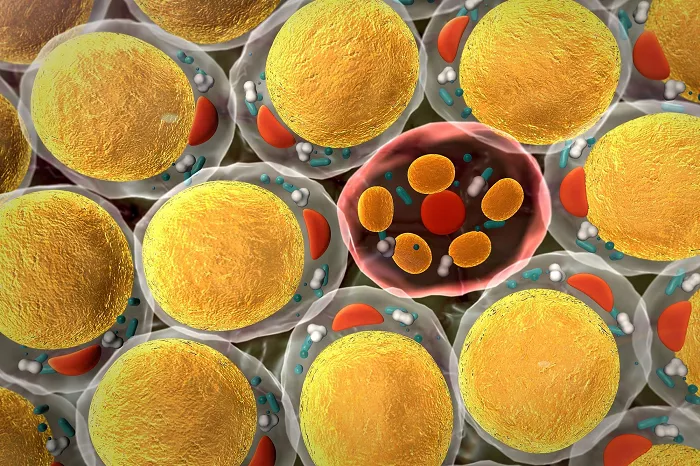
A research team from Osaka Metropolitan University has developed a novel treatment for spinal fractures using stem cells derived from adipose (fat) tissue, demonstrating significant bone regeneration in rat models of osteoporosis-related vertebral fractures.
With Japan’s aging population expected to drive osteoporosis cases to over 15 million, and spinal compression fractures being the most common and debilitating type, this research addresses a critical healthcare challenge. The study offers a potentially minimally invasive approach to bone repair, particularly beneficial for elderly patients who face increased surgical risks and prolonged recovery times.
Methodology and Technological Innovation
Led by graduate student Yuta Sawada and Dr. Shinji Takahashi, the team utilized adipose-derived stem cells (ADSCs) known for their multipotent differentiation capability.
The researchers enhanced the therapeutic potential of these cells by forming them into three-dimensional spheroid clusters, which have demonstrated improved tissue repair capabilities compared to single-cell suspensions.
These spheroid structures were then pre-differentiated toward bone-forming cells and combined with beta-tricalcium phosphate (β-TCP), a material widely used in bone reconstruction, creating a composite graft for spinal fracture treatment.
Key Findings and Therapeutic Efficacy
When applied to rat models with osteoporotic vertebral fractures, the ADSC spheroid-β-TCP composite demonstrated remarkable therapeutic effects:
- Significant enhancement of bone regeneration at fracture sites
- Improved mechanical strength of healed vertebrae
- Activation of genes involved in bone formation and regeneration
The transplanted cells not only directly contributed to new bone formation but also created a regenerative microenvironment that stimulated the body’s natural healing processes.
Advantages of Adipose-Derived Stem Cells
ADSCs offer several advantages over other stem cell sources for clinical application:
- Minimally invasive harvesting procedure with minimal patient discomfort
- Abundant source even in elderly patients with reduced bone marrow quality
- Lower morbidity at the donation site compared to bone marrow aspiration
- Greater proliferation capacity and differentiation potential than age-matched bone marrow stem cells
Clinical Implications and Future Directions
“This simple yet effective approach could potentially treat even challenging fractures and accelerate the healing process,” commented Dr. Takahashi.
The research team noted that their method could lead to a new therapeutic strategy for extending patients’ healthy life expectancy by addressing one of the most significant complications of osteoporosis. The technology shows particular promise for patients who may not be ideal candidates for invasive spinal surgery or who have failed conventional treatments.
Research Significance and Translation Potential
The study represents a significant advancement in regenerative medicine for age-related bone disorders. By combining tissue engineering principles with stem cell technology, the researchers have created a potential paradigm shift in how osteoporotic fractures might be treated in the future.
The team is now pursuing further investigations to optimize the protocol and prepare for potential clinical translation, with the ultimate goal of developing this technology into a new treatment option that improves quality of life for osteoporosis patients worldwide.
Related topics:
