
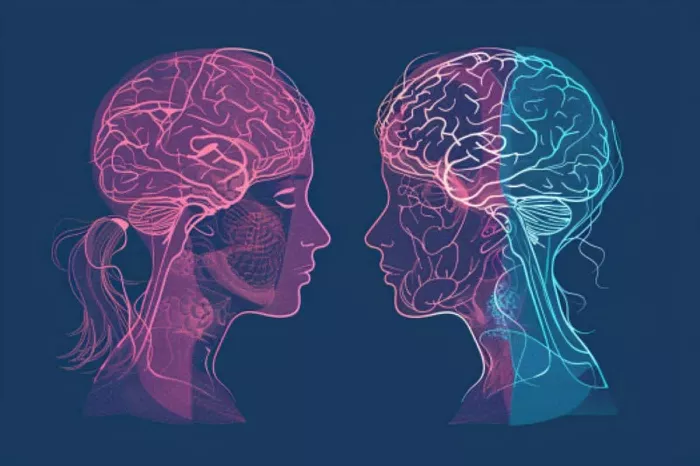
A research team led by the USC Mark and Mary Stevens Neuroimaging and Informatics Institute (Stevens INI) has achieved the first comprehensive mapping of the genetic architecture of the human corpus callosum—the critical bundle of nerve fibers connecting the brain’s left and right hemispheres.
Published in Nature Communications, this landmark study analyzed brain scans and genetic data from over 50,000 individuals across childhood to late adulthood using a novel AI-powered tool developed by the team. The findings open new avenues for understanding psychiatric and neurological disorders associated with abnormalities in this fundamental brain structure.
Methodology and Technological Innovation
The research leveraged advanced artificial intelligence to analyze magnetic resonance imaging (MRI) scans and genetic information from a diverse population cohort. The team created a sophisticated computational tool that automatically identifies and measures the corpus callosum and its subregions in MRI scans with unprecedented precision.
This approach enabled large-scale analysis that would have taken years of manual work to complete, now achievable in hours. The study represents one of the most comprehensive investigations into the genetic foundations of brain connectivity.
Key Genetic Discoveries
Researchers identified dozens of genetic regions influencing the size and thickness of the corpus callosum and its subareas. The study revealed that distinct sets of genes control the area and thickness—two characteristics that change throughout the lifespan and play different roles in brain function.
Notably, some associated genes are active during prenatal brain development, particularly in processes such as cell growth, programmed cell death, and cross-hemispheric nerve fiber wiring.
Clinical Implications and Disorder Links
The research demonstrated significant genetic overlaps between the corpus callosum and the cerebral cortex—the brain’s outer layer responsible for memory, attention, and language—as well as disorders including ADHD and bipolar disorder.
“These connections emphasize that the same genetic factors shaping the brain’s communication bridge may also contribute to vulnerability to certain conditions,” explained senior author Dr. Neda Jahanshad, associate professor of neurology. The findings help explain why structural differences in the corpus callosum have long been associated with various neurological and psychiatric conditions.
AI Tools and Open Science
The research team has made their AI-based analytical tools publicly available to accelerate future discoveries. The software, developed at Stevens INI, uses advanced machine learning to automatically identify and measure the corpus callosum in MRI scans.
“This work demonstrates the power of using artificial intelligence and large-scale databases to uncover genetic factors driving brain development,” said Dr. Jahanshad. Stevens INI has established itself as a global leader in applying AI to neuroscience, developing tools freely shared with the research community.
Future Directions and Broader Impact
Dr. Arthur W. Toga, director of Stevens INI, emphasized the broader implications: “This research represents a milestone in understanding how our brains are built. It not only reveals normal brain development but also helps us identify new pathways for diagnosing and potentially treating disorders affecting millions worldwide.”
The research team plans to extend their approach to study other brain connectivity structures and investigate how genetic factors interact with environmental influences throughout development. This research paradigm combines massive datasets with cutting-edge computational methods to transform how scientists study brain health and disease.
Related topics
