
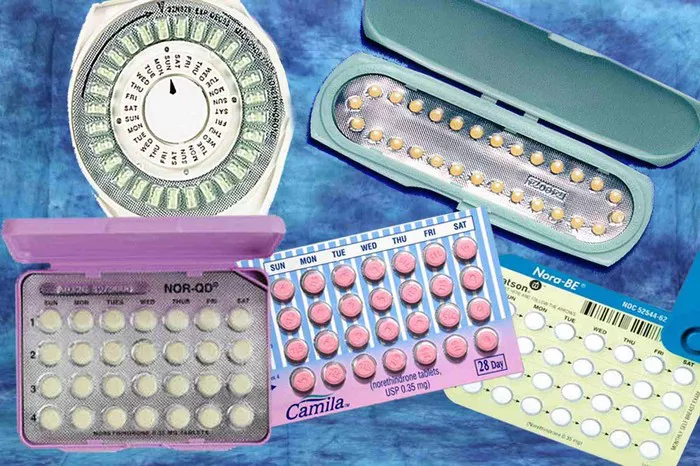
A new study from Uppsala University has found that different hormonal contraceptives carry different levels of breast cancer risk. The research followed more than 2 million women and girls in Sweden and was published in JAMA Oncology by Hadizadeh and colleagues.
Growing Use of Progestin-Only Methods
Hormonal contraceptives have developed over time. Earlier products combined estrogen and progestin, but newer options rely only on progestin. These include mini-pills, implants, injections, and hormonal coils. Since progestin-only methods are now widely used, researchers wanted to understand how they affect cancer risk. They also examined several types of progestins, as each may have a different impact on the body.
About the Study
The team used Swedish national health registers, which track all prescriptions and cancer cases. The study reviewed records from 2006 to 2019, including females aged 13 to 49 with no history of cancer or infertility treatment. This allowed scientists to compare cancer rates across many contraceptive types.
Main Results
The study revealed clear differences in risk:
- Some progestins, especially desogestrel, showed a higher link to breast cancer.
- Other methods, like injections with depot medroxyprogesterone acetate, did not increase risk.
- Combined birth control pills and hormonal coils with levonorgestrel showed lower risk than desogestrel-based products.
Overall, using any hormonal contraceptive was associated with a 24% higher risk of breast cancer, equal to about 1 extra case per 7,800 users each year. Risk also rose with longer use. Women who used desogestrel for 5 to 10 years faced nearly a 50% increase in risk. In contrast, long-term use of levonorgestrel products increased risk by less than 20%.
Pills containing drospirenone with estrogen did not raise breast cancer risk and may be a safer choice for women already at higher risk.
Expert Perspective
Senior author Åsa Johansson, PhD, emphasized that not all hormonal contraceptives affect cancer risk in the same way. Lead author Fatemeh Hadizadeh, MD, PhD, stressed that hormonal contraceptives remain safe and beneficial. They prevent pregnancy, ease menstrual symptoms, and reduce the risk of ovarian and endometrial cancer. However, she noted the importance of choosing options that do not add to breast cancer risk, especially for women already vulnerable.
READ MORE
HPV Vaccine May Help Make Cervical Cancer A Rare Disease
Fitness Over Scales Menopause Weight Gain And Health Focus
Women With CKD: Contraceptive, Reproductive Health Counseling Crucial
