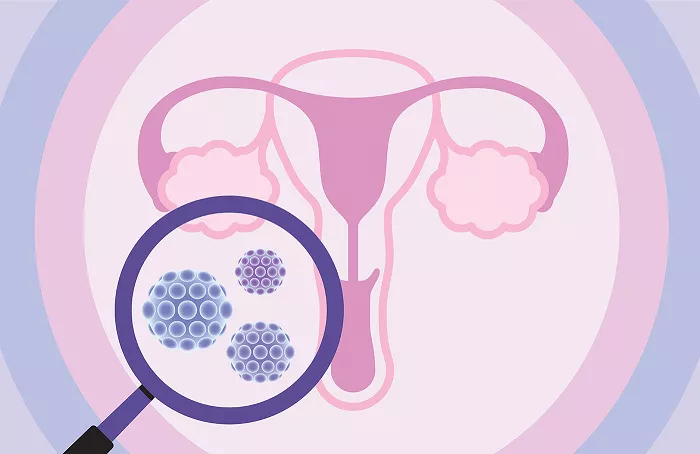
A new study suggests it is possible to make Cervical Cancer a rare disease in Scotland. The research was carried out by Public Health Scotland with the Universities of Edinburgh and Strathclyde. It confirms that the human papillomavirus (HPV) vaccine is highly effective in stopping cervical pre-cancer and cancer.
Long-Lasting Protection
The study shows the vaccine is still effective more than 12 years after it was given. The evidence was collected from women who continued to take part in routine cervical screening.
Expert View
Dr Kirsty Roy, a consultant in public health, said the results are clear. “Vaccination against HPV is effective in preventing Cervical Cancer. With regular screening, it is possible to make the disease rare.”
About HPV
HPV is a common virus spread mainly through sexual contact. It is linked to almost every case of Cervical Cancer worldwide. The disease is the fourth most common cancer in women.
Impact of Scotland’s Vaccination Programme
Scotland began its HPV vaccination programme in 2008. The vaccine gives the best protection when given to girls aged 12 to 13. Girls vaccinated at 18 or younger still benefit, but to a lesser degree.
Reducing Health Inequality
The study found that women from the most deprived areas showed the greatest benefit. This suggests the vaccine also helps reduce health gaps between social groups.
Working With Screening
Scotland uses both HPV vaccination and routine cervical screening to cut cancer risk. The vaccine is offered in schools to all S1 pupils. It protects boys and girls from genital warts and several HPV-related cancers.
Call for Continued Uptake
Dr Tim Palmer of the University of Edinburgh said the findings are decisive. “The HPV vaccine prevents the early cell changes that lead to cancer. High vaccine uptake in schools is vital. Screening still matters because some HPV types are not covered by the vaccine.”
Related topics
Fitness Over Scales Menopause Weight Gain And Health Focus
Women With CKD: Contraceptive, Reproductive Health Counseling Crucial
Laredo Approves New Funding To Expand Women’s Health Services Access