
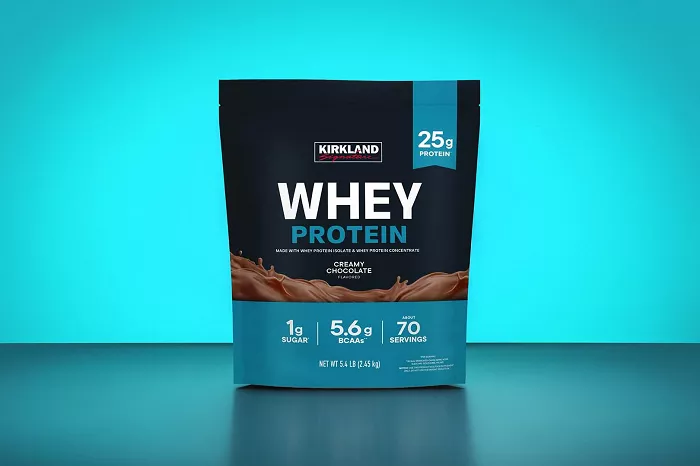
The flood of training supplements makes choosing a whey protein powder tough. If you want to build muscle faster and more efficiently, you’re not alone. Alongside dieting and tracking macros, a reliable protein powder can provide that extra push. Taste matters too.
Beyond muscle gains, protein supports metabolism, blood pressure control, and bone health. Yet getting enough protein from food alone can be hard, which is why top powders matter.
How we evaluated
Our sports nutrition team, with input from leading nutritionists, tested whey powders as part of the annual Sports Nutrition Awards. A panel of editors assessed flavor, texture, aroma, and usability, while the nutritionists scrutinized ingredients and macronutrient profiles. Packaging was blinded for fairness, and products were prepared according to label directions. Winners carry the Sports Nutrition Award logos and, when relevant, special deals.
Best Overall
Optimum Nutrition Gold Standard Whey Protein
- 24 g protein per serving
- Blend of whey isolate, concentrate, and hydrolyzed whey isolate
- Low in fat, sugar, and carbs
- Notable for mixability and a cocoa-forward flavor without excessive sweetness
Best Diet Whey Protein
PhD Nutrition Diet Whey
- 20 g protein per serving
- Whey concentrate and soy protein blend
- Includes L-carnitine and green tea extract
- Aimed at weight management while supporting lean muscle
Best New Whey Protein
Marchon Whey Protein
- 24 g protein per serving
- Blend of concentrate, isolate, and hydrolysate
- Strong amino acid profile, including leucine, isoleucine, and valine
- Available in multiple flavors and convenient 30 g sachets for travel
Best Clear Whey Protein
- Myprotein Clear Whey Protein Powder
- 20 g protein per serving
- Hydrolyzed whey protein isolate
- Low calories (about 85 kcal per serving) and high drinkability
- Wide flavor range, including fruit-forward options
Best Added Benefits
Protein Works Whey Protein 360 Extreme
- 26 g protein per serving
- Whey concentrate and other active ingredients
- Includes digestive enzymes and recovery-supporting compounds
- Flavorful, with a crunchy-texture option in some varieties
Best All-Rounder
Hermosa Grass-Fed Whey Protein Powder
- 21 g protein per serving
- Grass-fed dairy origin with simple ingredients
- Creamy texture and easy mixability
- Flavors include chocolate and vanilla
Best Value
- Myprotein Impact Whey
- 22 g protein per serving
- Concentrate-based formula
- Often discounted, making it a cost-effective choice
- Wide flavor selection and reliable mixability
Best Allergen-Free
Innermost The Strong Protein
- 34 g protein per serving
- Whey and casein blend
- Vegetarian, halal, soy- and gluten-free
- Added creatine monohydrate and minimal allergen risk
Best for Gym Novices
Maxi Nutrition MaxWhey Protein Powder
- 22.5 g protein per serving
- Concentrate and isolate blend
- Clear guidelines for first-time users
- Flavor options include chocolate, strawberry, and vanilla
Best for Supporting Weight Loss
Innermost The Lean Protein
- 31 g protein per serving
- Whey and casein blend with inulin and acetyl L-carnitine
- Includes prebiotic fiber and marketing-friendly keto-lean ingredients
- Calorie-conscious at around 148 kcal per serving
Best for Flavor Range
Bulk Pure Whey Protein
- 23 g protein per serving
- 80% whey protein with wide flavor options
- Low sugar (under 1.5 g per serving) and good mixability
- Noted for versatile use in porridges and baking
Best Clear Vegan Alternative (highlighted option)
Hermosa and other vegan-friendly lines are available, but when seeking a clear whey alternative, options like Myprotein Clear have distinct benefits for lean profiles and easy mixing.
What you should consider
Protein type: concentrate, isolate, hydrolysate, or blends. The choice affects digestibility, absorption rate, and calorie count.
Digestive tolerance: lactose content varies; some products are lactose-free or lactose-reduced.
Certification: look for Informed Sport or Informed Choice labels if you undergo drug testing.
Flavor and texture: these influence adherence to daily macros and overall satisfaction.
How much protein do you need?
Protein requirements depend on age, goals, and body weight. Most of your daily protein should come from whole foods, with supplements filling gaps. A shake can support post-workout recovery and daily intake targets when used appropriately.
When to drink a shake
Scientific views on the post-workout “window” are nuanced. Protein consumption after training remains beneficial, and muscle protein synthesis stays elevated for up to 24 hours after a strenuous session.
Related topics
