
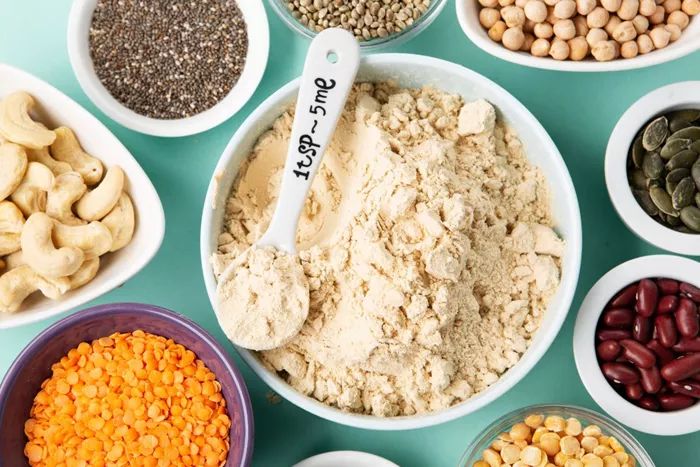
Is your protein powder truly clean? That question has become a perennial concern for athletes who rely on supplements to boost recovery and meet daily protein goals. This rewritten article examines what “clean” means in practice, what contaminants have been found in powders, and how cyclists and other athletes can choose a safer option without sacrificing convenience.
Protein powder sits at the intersection of sport and nutrition. For many people, scooping, blending, and drinking a shake is the simplest way to reach the muscle-building macronutrient targets that support recovery and sustain energy. In today’s high-demand training cycles, protein becomes essential not only for building and maintaining muscle mass but also for helping athletes stay full and recover after workouts. Yet the popularity of these products does not shield them from scrutiny. A 2019 consumer survey cited by industry researchers shows that protein is among the most-used supplements, underscoring the need for clarity about what is inside the powders athletes rely on every day.
What does “clean” really mean in a protein powder? Terminology matters. Clinicians and sports dietitians often resist the word “clean” because it can be vague. Instead, they emphasize third-party testing and transparent labeling as better indicators of quality. A high-quality protein powder should be free from contaminants and banned substances. The U.S. Food and Drug Administration defines dietary supplements as products containing dietary ingredients such as vitamins, minerals, herbs, and amino acids, but they can also include fillers, preservatives, sweeteners, and flavorings. In an ideal world, a clean powder lists only the essential ingredients, with the protein as the primary component and minimal additives. The cleanest options, many experts say, have as few ingredients as possible—ideally just one: the protein itself.
Common contaminants in protein powders raise legitimate safety questions. The Clean Label Project’s research highlighted that heavy metals such as arsenic, cadmium, mercury, and lead appeared in a substantial portion of tested powders, including many plant-based formulas. Toxins like bisphenol A, linked to plastics, also appeared in some products. While such findings are alarming, experts caution against alarmist conclusions. The health impact depends on exposure level. Some studies suggest that typical daily use, such as a single scoop, is unlikely to cause harm, though it is prudent to be cautious. Certain populations—children and pregnant individuals—should exercise extra care.
Other concerns extend beyond heavy metals. A 2023 study in All Life found several food supplements with undeclared anabolic steroids, despite labeling claims of safety and effectiveness. This underscores the importance of rigorous quality controls and transparent sourcing when evaluating protein powders.
What should cyclists look for when selecting a clean protein powder? Busy athletes need practical guidance. Protein intake matters for muscle protein synthesis, performance, and recovery. To maximize safety and effectiveness, cyclists should prioritize powders that are:
- Third-party tested: Look for certifications from independent bodies that verify purity and absence of banned substances.
- Minimal ingredients: Favor products with short ingredient lists and a straightforward label.
- Transparent labeling: Clear disclosure of all ingredients, including flavorings, sweeteners, and additives.
- Reputable sourcing: Brands that provide information on where the protein comes from and how it’s processed.
- Compliance with safety standards: Products that adhere to established quality-control practices help reduce the risk of contaminants.
Label literacy also matters. When examining a label, athletes should scrutinize for the presence of additives, sweeteners, and fillers, and assess whether the product explicitly notes third-party testing or certification. If a brand cannot provide evidence of independent testing, it may be wise to proceed with caution.
How to find a clean protein powder. Start with reputable brands known for rigorous quality control and third-party testing. Read independent reviews and audit reports, and seek products that publish comprehensive lab results. Consider starting with a simple protein powder that reflects your dietary preferences and has a concise ingredient list. For many, whey protein powder remains a reliable source of high-quality protein, provided it comes from a trustworthy producer and is tested for contaminants.
Can protein powder replace whole foods? Protein powder is a convenient supplement, not a substitute for balanced meals. While it can help meet daily protein targets, it should accompany a varied diet rich in whole foods to ensure you receive a full spectrum of nutrients. Use protein powder to fill gaps, support recovery, and meet post-workout needs, but pair it with vegetables, fruits, whole grains, and lean proteins for optimal health.
Related topics
