
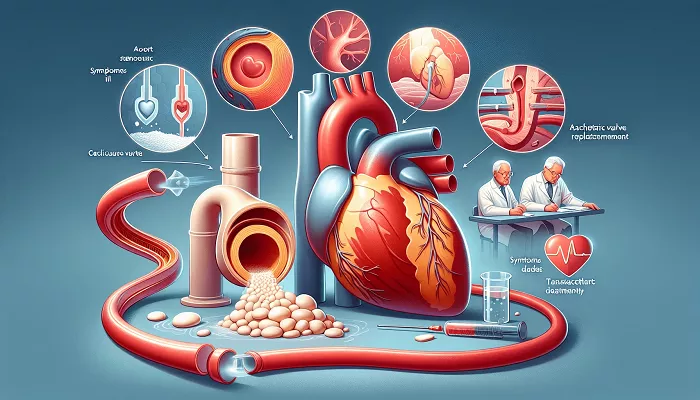
The American Heart Association (AHA) has launched a new initiative designed to help patients with aortic stenosis (AS) gain earlier access to innovative treatments and accelerate diagnosis of this common but underdiagnosed heart valve disease.
Aortic stenosis, characterized by the narrowing of the aortic valve opening that restricts blood flow from the heart to the body, can lead to serious complications including heart failure and death if left untreated. This initiative specifically focuses on expanding clinical trial opportunities for patients with moderate AS through the AHA’s established national network of hospitals and valve clinics.
Building on Existing Infrastructure and Expertise
Leveraging the AHA’s proven “Target: Aortic Stenosis” program infrastructure that already manages over 2,200 moderate AS patients, this new effort will engage at least 40 hospitals and their affiliated valve clinics.
The program will provide specialized education, quality improvement tools, and on-site support to help clinicians better identify and refer eligible candidates for clinical trials. This expanded network will significantly increase research opportunities for patients while advancing evidence-based care standards.
Clinical Need and Timely Intervention
“Aortic stenosis is a serious condition, but often people aren’t diagnosed until the disease has progressed,” said Dr. Sreekanth Vemulapalli, volunteer member of the association’s Target: Aortic Stenosis scientific advisory group and associate professor of medicine at Duke University.
“By identifying eligible participants for new clinical trials and supporting clinical research, this initiative will help shape the future of care for people affected by this condition.” The initiative addresses the critical window when patients with moderate AS could benefit most from emerging treatment options before their condition becomes severe.
Comprehensive Implementation Strategy
The program will employ a multifaceted approach that includes healthcare provider climate surveys to identify barriers to trial enrollment and develop targeted solutions for increasing participation in structural heart disease research. Supported by Kardiga
the initiative will also facilitate the development of emerging pharmacological treatment alternatives while promoting guideline-directed care. This comprehensive strategy aims to create a sustainable framework for clinical research participation that extends beyond the current initiative.
Future Outlook and Potential Impact
By expanding access to clinical trials, this effort has the potential to accelerate innovation in AS treatment and improve patient outcomes.
The initiative will generate real-world evidence to inform clinical guidelines and treatment protocols, ultimately benefiting the broader population of AS patients. The program’s focus on moderate AS represents a proactive approach to managing disease progression before patients develop severe complications.
Commitment to Health Equity and Advancement
This initiative reflects the American Heart Association’s ongoing commitment to ensuring all people have the opportunity to live healthier lives.
By creating more pathways for patient participation in clinical research and promoting earlier diagnosis, the AHA aims to reduce disparities in care and improve outcomes for those affected by aortic stenosis. The program represents another step forward in the association’s mission to advance cardiovascular health for all.
Related topics:
