
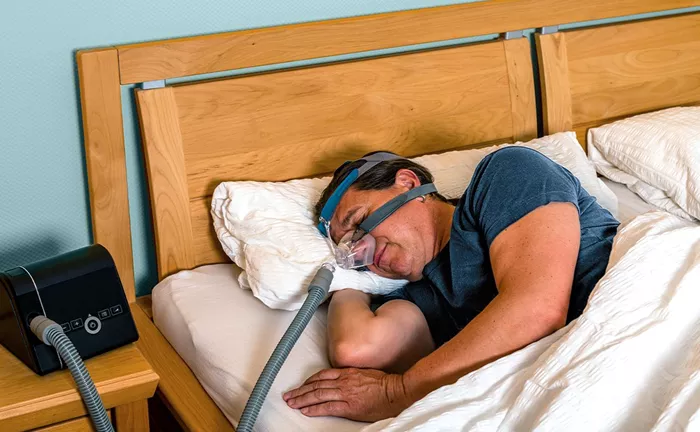
A Behavioral Sleep Medicine Specialist recently shared insights from their personal and professional experience with CPAP (continuous positive airway pressure) therapy, a standard treatment for obstructive sleep apnea (OSA).
CPAP machines deliver pressurized air through a mask to keep the airway open during sleep, preventing apneas—pauses in breathing that cause oxygen levels to drop and disrupt restorative sleep.
Although CPAP is highly effective in reducing apnea events and improving daytime alertness, many patients find it difficult to adjust to the device. This adaptation challenge is even greater for those who suffer from insomnia, a condition characterized by difficulty falling asleep, staying asleep, or experiencing non-restorative sleep.
Research shows nearly 50% of CPAP users report some form of insomnia, which often undermines their ability to tolerate the mask and pressure sensations, leading to poor adherence and suboptimal health outcomes.
The specialist, drawing on years of clinical experience and personal use of CPAP, emphasizes the importance of addressing insomnia to improve CPAP compliance.
They highlight that insomnia triggers heightened arousal and anxiety around sleep, making the sensation of wearing a CPAP mask feel intrusive and stressful, especially during sleep onset when patients are already struggling to relax.
To overcome this, the specialist recommends Cognitive Behavioral Therapy for Insomnia (CBT-I), a structured, evidence-based approach that targets the thoughts and behaviors perpetuating insomnia.
CBT-I includes techniques such as stimulus control (associating the bed only with sleep), sleep restriction therapy (limiting time in bed to consolidate sleep), relaxation training, and cognitive restructuring (challenging unhelpful beliefs about sleep).
Clinical studies indicate that CBT-I improves sleep onset latency, sleep quality, and overall sleep efficiency in 70-80% of patients, including those with comorbid conditions like sleep apnea.
Integrating CBT-I before or alongside CPAP therapy can reduce the psychological and physiological barriers that insomnia creates. Patients who successfully manage their insomnia are more likely to accept the CPAP device, wear it consistently throughout the night, and thus experience better oxygen saturation and fewer apnea events.
Improved CPAP adherence reduces risks of cardiovascular problems, daytime fatigue, cognitive impairment, and metabolic issues commonly associated with untreated sleep apnea.
The specialist’s team has implemented programs combining CBT-I with CPAP treatment, resulting in significant improvements in patients’ sleep quality, daytime functioning, and long-term health outcomes.
This dual approach offers a promising path to address the intertwined challenges of insomnia and sleep apnea, ultimately enhancing patients’ quality of life and reducing the burden of sleep disorders.
