
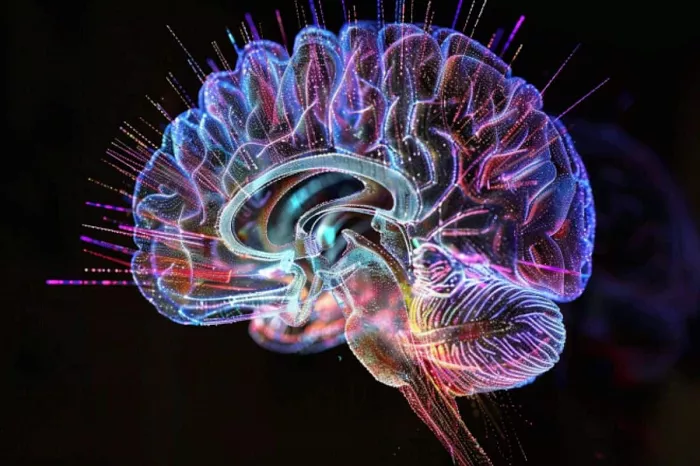
Scientists at Duke-NUS Medical School have created BrainSTEM, the most comprehensive single-cell atlas of the developing human brain, providing a new benchmark for Parkinson’s disease research and the development of effective cell therapies.
Addressing Parkinson’s Disease Through Advanced Brain Mapping
Parkinson’s disease, the second most common neurodegenerative disorder in Singapore affecting approximately 3 in 1,000 people aged 50 and above, damages dopamine-producing neurons in the midbrain. These critical cells control movement and learning, and their restoration represents a promising therapeutic approach for alleviating symptoms like tremors and mobility issues.
The BrainSTEM Framework: A Two-Tier Mapping Approach
The Duke-NUS team developed BrainSTEM (Brain Single-cell Twin-tier Mapping), an innovative framework that analyzes nearly 680,000 cells from fetal brains to create a comprehensive cellular landscape. The approach involves:
- Broad Mapping: Capturing the entire brain cell diversity
- High-Resolution Focus: Precisely identifying dopamine-producing neurons in the midbrain
This dual approach provides scientists worldwide with a reference standard to evaluate how accurately laboratory-grown midbrain models reflect actual human brain biology.
Key Findings and Implications for Cell Therapy
The research, recently published in Science Advances, revealed that many current methods for growing midbrain cells also produce unwanted cells from other brain regions. This discovery highlights the need for improved laboratory techniques and data analysis to detect and remove these off-target cells.
“Our data-driven blueprint helps scientists produce high-yield midbrain dopamine neurons that faithfully reflect human biology. Quality grafts are essential for improving cell therapy efficacy and minimizing side effects, paving the way for alternative treatments for Parkinson’s patients.”
— Dr. Hilary Toh, first author and medical PhD student at Duke-NUS
Setting New Standards for Parkinson’s Research
According to Assistant Professor Alfred Sun, senior author of the study, “BrainSTEM represents a significant advancement in brain modeling. By providing a rigorous, data-driven approach, it will accelerate the development of reliable cell therapies for Parkinson’s disease. We’re establishing new standards to ensure the next generation of Parkinson’s models truly reflect human biology.”
Open-Source Accessibility and Broader Applications
The research team will make their brain atlas available as an open-source reference and provide the multi-tier mapping process as ready-to-use software packages. Since BrainSTEM can screen any cell type in the brain, laboratories worldwide can deploy it to gain deeper insights, refine workflows, and accelerate discoveries across neuroscience.
Future Directions and Research Impact
Professor Patrick Tan, Senior Vice-Dean of Research at Duke-NUS, emphasized that “this research redefines benchmark establishment through multi-tier mapping, which is crucial for capturing cellular details in complex biological systems. By revealing how the human midbrain develops in such detail, we will accelerate Parkinson’s research and cell therapy, offering better care and hope for patients.”
The study received support from multiple sources, including grants from New York University and the Duke-NUS Parkinson’s Disease Research Fund, with generous donations from the Ada Morris Falk Foundation.
Related topics:
