
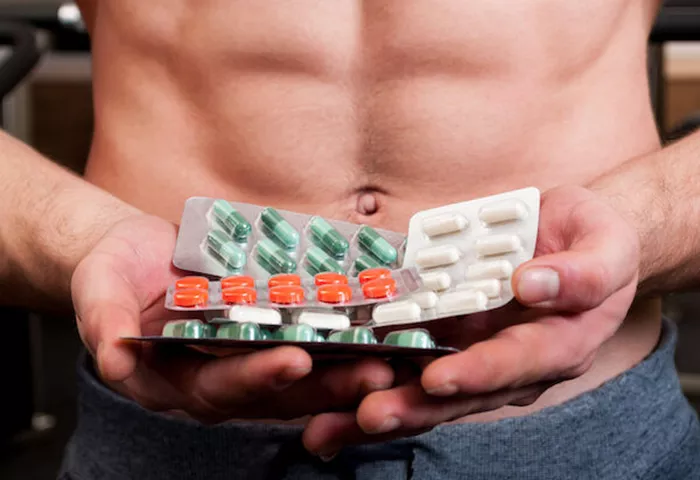
Testosterone boosters are available as both prescription medications and dietary supplements designed to increase testosterone levels. While testosterone’s role in male health has been extensively studied, there remains limited research regarding its effects on females. These products are marketed with claims of enhancing physical strength, stamina, mood, and sexual health, yet the scientific evidence behind many of these claims remains inconsistent.
1. Muscle Mass and Strength
Testosterone plays a crucial role in building muscle by stimulating protein synthesis and red blood cell production. Studies show that males who combine increased testosterone levels with strength training can experience greater muscle growth and enhanced body strength. However, for females, higher testosterone levels are not always linked to increased muscle mass or power.
Prescription testosterone therapy can effectively raise testosterone levels when confirmed low by laboratory tests. In contrast, over-the-counter testosterone boosters often lack evidence proving that they meaningfully elevate testosterone or enhance physical performance.
2. Bone Strength and Density
In men, testosterone therapy can improve bone mineral density (BMD), particularly in the spine, potentially offering protection against bone fractures. Similarly, postmenopausal women treated with testosterone have demonstrated increased BMD, which may help defend against osteoporosis.
However, evidence supporting the effectiveness of non-prescription testosterone boosters for bone health remains unclear. More controlled studies are needed to determine whether these supplements offer real skeletal benefits.
3. Energy Levels and Stamina
Testosterone promotes blood flow and oxygen delivery throughout the body, supporting cardiovascular health. For individuals—both male and female—with clinically low testosterone, prescription testosterone replacement therapy (TRT) can reduce fatigue and restore energy levels.
Nonetheless, there is little evidence that over-the-counter testosterone boosters significantly enhance stamina or energy in healthy individuals. The effectiveness of these supplements is often overstated in marketing materials.
4. Libido and Sexual Health
Among women in perimenopause or postmenopause, prescription testosterone therapy has been shown to improve sexual desire, arousal, and orgasmic satisfaction. Men with clinically low testosterone may also experience improvements in libido and erectile function when prescribed TRT.
However, testosterone boosters sold as dietary supplements have not been proven to replicate these outcomes. Their effectiveness remains questionable, with many users experiencing little to no change in sexual performance or satisfaction.
5. Mood and Cognitive Function
Testosterone influences mood and cognitive health. In females, it may improve concentration and relieve mild depressive symptoms associated with hormonal changes. In men, low testosterone levels have been linked to mood disturbances and depressive symptoms; prescription TRT can provide relief in certain cases.
Despite this, over-the-counter testosterone boosters have not been shown to improve mood or mental clarity. Clinical evidence supporting their psychological benefits is currently lacking.
What’s Inside Testosterone Boosters?
These products often combine various herbs, vitamins, and minerals that are traditionally believed to enhance vitality or sexual health. Common ingredients include:
- Dehydroepiandrosterone (DHEA)
- Zinc
- Horny goat weed
- Saw palmetto
- Fenugreek
- Vitamin B6
- Tribulus terrestris
- Magnesium
- Yohimbine
- Eurycoma longifolia
- Ashwagandha
While these ingredients are marketed as “natural,” few have been proven effective in raising testosterone levels or delivering the advertised benefits.
Do Testosterone Boosters Really Work?
Scientific evaluations reveal disappointing results. In one study of 50 testosterone-boosting supplements: – Less than 25% showed any testosterone increase. – 18% had no measurable effect. – 10% actually reduced testosterone levels. – Nearly 60% had no available data regarding their hormonal impact.
Another analysis of 37 testosterone-boosting or erectile function ingredients found that fewer than 20% demonstrated strong scientific evidence of effectiveness. Approximately 70% were either ineffective, had contradictory results, or lacked supporting research.
Consumers should remember that testosterone boosters differ significantly from prescription TRT, which is medically monitored and FDA-approved for treating clinically low testosterone.
Testosterone Boosters in Sports and Bodybuilding
Because testosterone contributes to muscle development, some athletes and bodybuilders may be tempted to use boosters to accelerate muscle gains. However, many supplements contain substances banned by sports organizations such as the International Olympic Committee (IOC) and the World Anti-Doping Agency (WADA). Using these banned ingredients can result in disqualification or permanent suspension from professional events.
Potential Side Effects and Health Risks
Even though testosterone boosters are sold as “natural,” they can cause serious side effects. These vary depending on the product’s ingredients and dosage:
Common effects: Acne, hair loss, nausea, headaches, and elevated blood pressure.
Serious risks: Blood clots, liver toxicity, stomach pain, and kidney injury.
Long-term concerns: Possible infertility in men, uncertain cardiovascular effects, and potential prostate cancer risks.
Consumers should avoid assuming that “natural” equals “safe.” Some products contain excessive levels of vitamins and minerals, surpassing recommended limits and posing toxicity risks.
Choosing Testosterone Boosters Wisely
Before taking any supplement, consult a healthcare provider to determine whether a prescription option or lifestyle intervention is better suited for you. Avoid basing decisions on online reviews, which are often unreliable.
Key considerations include:
Ingredients: Fewer is safer; discuss with your pharmacist if you take other medications.
Dosage: Ensure that vitamin and mineral doses are within safe daily limits.
Cost: OTC supplements can be more expensive in the long run and often less effective.
Natural vs. synthetic: “Natural” boosters are not inherently safer or better than synthetic TRT.
Natural Strategies to Support Testosterone Levels
Instead of relying on supplements, adopting healthy lifestyle practices can naturally support hormone balance:
Nutrition: Incorporate zinc-rich foods, fatty fish, and onions into your diet.
Exercise: Engage in strength training and high-intensity interval training (HIIT). However, note that HIIT may lower testosterone in women with polycystic ovary syndrome (PCOS).
Lifestyle habits: Prioritize adequate sleep, manage stress, quit smoking or vaping, and maintain a healthy weight.
In the U.S., the Food and Drug Administration (FDA) does not regulate dietary supplements with the same rigor as prescription drugs. To ensure safety, choose products tested by independent organizations such as NSF, U.S. Pharmacopeia, or ConsumerLab.com.
Key Takeaways
Testosterone boosters claim to enhance testosterone and improve related symptoms, but scientific backing is limited. – Many OTC boosters fail to deliver measurable benefits and can pose health risks. – Prescription testosterone therapy, when medically indicated, remains the safest and most effective option. – Always consult a healthcare professional before beginning any supplement or hormonal treatment.
Related topics
