
During perimenopause and menopause, many women notice weight gain around the belly area. This shift is driven primarily by hormonal changes, specifically a decline in oestrogen, which redistributes fat from the hips to the midsection. Other contributing factors include slower metabolism due to sarcopenia, rising insulin resistance, and a more sedentary lifestyle. Stress management and sleep quality also play crucial roles in weight regulation.
Role of cortisol and sleep in weight gain
Stress increases cortisol levels, which can raise insulin and hinder fat burning. Poor sleep quality further drives cravings for sugar and processed foods, promoting weight gain. Adopting relaxation methods and prioritizing restorative sleep are essential components of weight management during menopause.
Why calorie restriction backfires
The most common mistake is eating too little. Severe caloric restriction can trigger an energy-saving response, causing the body to retain fat and reduce metabolic rate. Balanced meal timing and adequate nutrient intake support stable energy and better overall outcomes.
Practical dietary guidance
- Maintain an adequate balance of nutrients with emphasis on protein.
- Avoid overly restrictive diets that frustrate weight loss goals.
- Eat regularly to stabilize energy and curb hunger-driven choices.
- Emphasize whole, real foods and limit ultra-processed products.
Ideal menopause meals and a sample menu
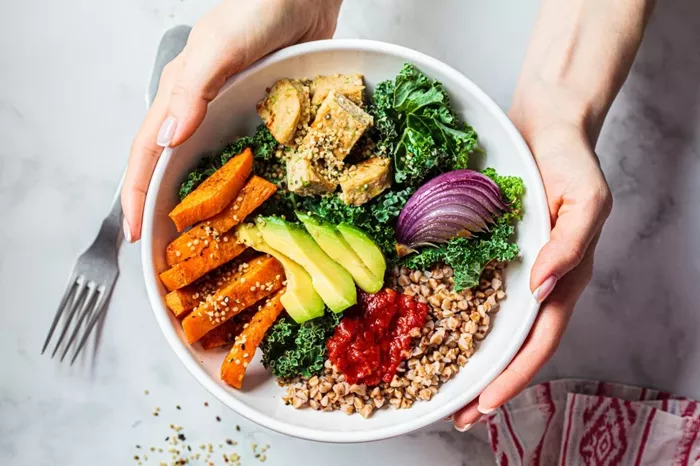
A balanced plate should include:
- Vegetables: Half the plate in a variety of colorful produce.
- Protein: About a quarter of the plate from lean meats, fish, or legumes.
- Complex carbohydrates: Less than a quarter, such as brown rice or quinoa.
- Healthy fats: Include sources like avocado or olive oil.
A sample menopause menu:
- Breakfast: Omelette with one whole egg, three whites, 30g avocado, 40g gluten-free bread, and a piece of fruit.
- Lunch: Baked sea bass with roasted potato, spinach salad with avocado and strawberries.
- Dinner: Prawns with sautéed courgette, quinoa, and egg.
Protein as a key nutrient
Protein is the star nutrient during menopause because it promotes fullness, helps prevent cravings, and preserves muscle mass. Consuming protein at breakfast can decisively improve appetite and weight control. Pair this with regular strength training to build muscle and boost metabolism.
Anti-inflammatory foods for hormone balance
Some foods support inflammation reduction and weight management during menopause.
Prioritize Protein-rich foods: Chicken, eggs, fish, tofu.
Anti-inflammatory vegetables: Cruciferous and leafy greens, such as kale and broccoli.
Low glycemic carbohydrates: Consume later in meals to stabilize blood sugar. –
Essential fats: Omega-3 rich foods like certain nuts, seeds, and fish.
Key takeaways for menopause weight management
Holistic approach
A balanced diet focusing on protein, healthy fats, complex carbohydrates, and anti-inflammatory foods, combined with strength training, supports muscle maintenance and fat loss. Managing stress and sleep enhances results.
Implementation tips
- Reassess and adjust long-standing eating patterns that no longer work.
- Prioritize regular meals with protein at breakfast.
- Incorporate resistance training to preserve lean mass.
- Use relaxation techniques and optimize sleep to control cortisol.
Related topics:
