
26
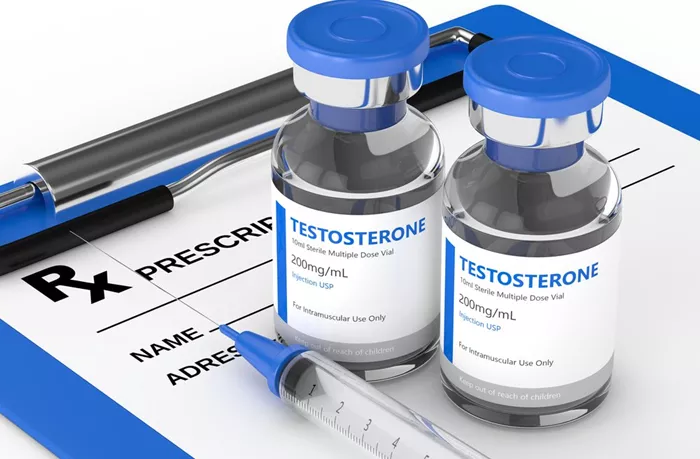
Shilajit may boost testosterone levels and support bone health, with potential implications for male fertility and athletic performance. This article synthesizes current evidence while noting gaps in safety data and long-term effects.
Key Findings on Hormonal and Bone Health Effects
- Raised Hormone Levels—Shilajit may increase dehydroepiandrosterone (DHEAS) and total testosterone in some studies, suggesting potential effects on male fertility.
- Anti-Inflammatory and Antioxidant Effects—Fulvic acid in shilajit may reduce oxidative stress and support collagen production, potentially benefiting connective tissue and bone metabolism.
- Bone Health and Density—Some data indicate improved bone density in populations with osteopenia, possibly linked to enhanced cell turnover and metabolic effects.
- Exercise Performance—Preliminary findings suggest reduced post-exercise fatigue and improved strength, with possible benefits for muscle repair and elasticity.
Safety, Quality, and Practical Guidance
- Regulatory Status—Shilajit is not FDA-approved; no standardized safe dosage exists. Common clinical trial doses range around 300–500 mg daily in research settings.
- Product Quality—Choose purified, third-party–tested products to minimize contaminants. Avoid raw or unprocessed shilajit.
- Dosing and Monitoring—Follow manufacturer directions or clinician guidance. Monitor for adverse effects and interact with other medications as clinically indicated.
- Safety Profile—Most short-term use is well tolerated, but long-term safety remains uncertain; serious adverse events are rare but possible.
Clinical Implications for Practice
- Interpret with caution—Evidence for meaningful hormonal or bone health benefits in humans is not robust.
- Product Vetting—Advise patients to select purified, third-party–tested products and to avoid unprocessed forms.
- Individual Risk Assessment—Consider comorbidities, allergies, and concurrent medications before recommending supplementation.
- Follow-Up—If patients choose to use shilajit, schedule monitoring for efficacy and adverse effects.
Related topics
