
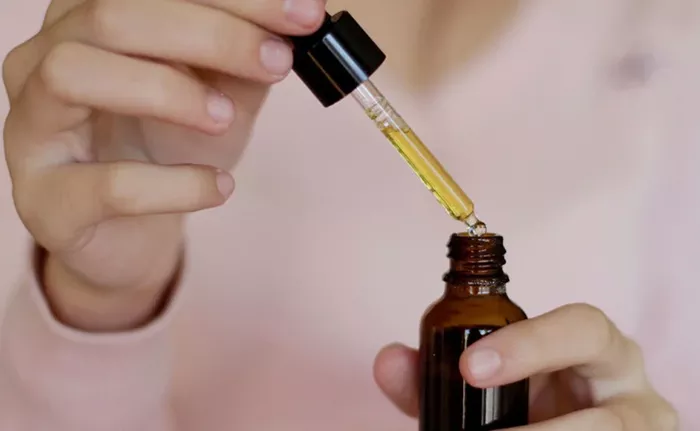
Essential oils do not have FDA approval for menopause weight management. Some research has investigated the effects of plant compounds on weight gain and other menopause symptoms, but no clinical guidelines currently recommend essential oils as a method to manage weight gain after menopause.
A 2025 review highlights research that suggests phytoestrogens from plant compounds may be a suitable alternative to menopause hormone therapy to manage postmenopausal obesity. However, the review emphasizes that current evidence is limited. More research is necessary to understand the full therapeutic potential and safety of these compounds for menopause-related weight management.
Key terms explained: Phytoestrogens. Phytoestrogens are compounds in plants that have a similar structure to human estrogen. Although they are weaker than human estrogen, they may be able to mimic estrogen in postmenopausal people.
A 2021 review of essential oils and obesity suggests that inhaling or consuming essential oils can lead to anti-obesity effects and promote fat loss. The effects may vary depending on the type of essential oil. It is important to note that this review did not focus on obesity in people experiencing menopause, and therefore may cause different outcomes in menopausal people with obesity.
Research suggests that aromatherapy with essential oils may offer some benefits for people experiencing menopause, including reducing stress and anxiety. However, more research is necessary to understand if these benefits extend to weight management.
People typically use essential oils either as part of aromatherapy, inhaling steam containing the oil, or by applying a diluted oil to the skin. People may also add certain essential oils to their food. Essential oils do not undergo regulation in the United States. Products containing essential oils must only meet FDA safety and effectiveness approvals if they make a health claim, such as treating or preventing an issue. This means essential oil products can pose additional risks, such as containing unexpected ingredients.
The effects of essential oils can vary from person to person and depend on how a person uses the oil. Potential side effects may include skin irritation, allergic reaction, coughing, nose or throat irritation, shortness of breath, and interactions with other medications. It is important to speak with a healthcare professional before using essential oils for any health purpose. People should also follow a product’s instructions, ensuring they dilute pure essential oils before use and patch test any products that go on the skin.
If someone is experiencing weight gain after menopause, the following tips may help them achieve a moderate weight: get at least 150 minutes of exercise every week; eat a balanced diet with plenty of fruit and vegetables; aim for slow, steady weight loss instead of fast loss; choose healthier food options, such as swapping sugary sodas with water; eat regular meals, as skipping meals may increase hunger and snacking; save leftover food for another day instead of finishing the plate when full. People can also work with a healthcare professional to understand why menopause may cause weight changes and create a plan to manage their weight.
Related topics
