
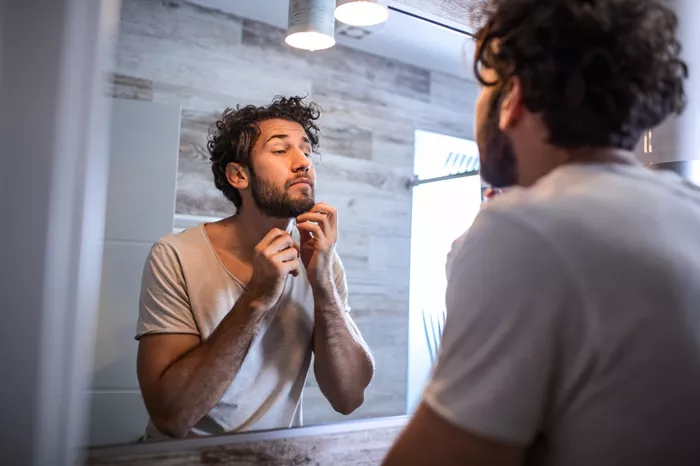
Not every man can grow a full, thick beard—and for many, that can be frustrating. Facial hair growth is a complex biological process influenced by multiple factors, including genetics, hormones, nutrition, age, and overall health. Knowing what affects beard density and how to address these issues can help men achieve the look they desire while maintaining healthy skin and hair follicles.
Beards have become a lasting symbol of style and masculinity, from neatly trimmed stubble to full-grown lumberjack looks. Yet, many men find themselves unable to grow consistent or dense facial hair. This difficulty can negatively impact self-esteem and confidence. Dermatological experts, such as Dr. Neelima Rana, a Delhi-based dermatologist and co-founder of DermaHeal, highlight that both genetic and environmental factors play a crucial role in determining beard growth patterns. Understanding these can help men identify solutions ranging from dietary adjustments to professional treatments.
1. The Genetic Blueprint: Family History Matters
Genetics remain the strongest determinant of beard density and growth rate. If the men in your family—particularly on either your father’s or mother’s side—have sparse or patchy beards, it’s likely you’ll experience similar growth patterns. This genetic predisposition influences the sensitivity of hair follicles to hormones like testosterone and dihydrotestosterone (DHT).
Solution: Embrace your natural beard pattern or consider medical options such as beard transplantation, which can redistribute follicles for a fuller appearance.
2. Hormonal Imbalances: Testosterone and DHT
Hormones play a key role in beard development. Specifically, testosterone and its derivative, DHT, are responsible for stimulating facial hair growth. When these hormone levels are low, or the body’s receptors are less sensitive to them, beard growth can appear uneven or minimal. According to Dr. Rana, factors such as genetics, stress, and poor nutrition can all contribute to hormonal imbalance.
Solution: Consult a healthcare professional for hormone testing. Safe and supervised treatments may help restore balance and improve facial hair development.
3. Age and Beard Maturity
Beard growth is not always immediate. For some, it continues to develop into their late twenties or early thirties. While some men grow full beards during their teenage years, others may not reach optimal density until later adulthood. The variation is normal and often linked to the gradual stabilization of hormone levels with age.
Solution: Patience is key. Allow time for your hair follicles to reach maturity before assuming growth limitations.
4. Nutritional Deficiencies: Fuel for Follicles
Deficiencies in essential nutrients such as B-complex vitamins, vitamin D, vitamin E, zinc, iron, and proteins can significantly hinder beard growth. Hair follicles require a nutrient-rich environment to function effectively, and inadequate dietary intake can lead to weak or stunted facial hair.
Solution: Adopt a nutrient-dense diet filled with lean meats, eggs, nuts, legumes, and leafy greens to support follicular health.
5. Stress and Its Impact on Hair Follicles
Chronic stress can disrupt hormone regulation and push hair follicles into a resting phase, slowing or halting beard growth. Elevated cortisol levels are known to interfere with testosterone production, further impacting facial hair development.
Solution: Regular physical activity, meditation, and hobbies can help reduce stress and promote healthier hair growth over time.
6. Skin Conditions That Affect Beard Growth
Skin disorders such as eczema, acne, or fungal infections can damage hair follicles or inhibit new hair from emerging. Maintaining skin health is essential for encouraging consistent beard coverage.
Solution: Seek dermatological care to address underlying skin issues. Treatments may include topical antifungals, medicated cleansers, or customized skincare routines.
7. Improper Grooming Habits
Using harsh grooming products or shaving too aggressively can irritate or damage the skin and hair follicles. Overexposure to alcohol-based aftershaves or low-quality razors may also lead to inflammation and slower growth.
Solution: Use gentle cleansers, apply beard oils rich in natural nutrients, and invest in quality grooming tools to protect follicular health.
8. Lifestyle Choices: The Hidden Barriers
Smoking, excessive alcohol consumption, and insufficient sleep are among the top lifestyle factors that suppress healthy beard growth. These habits impair blood circulation, deplete nutrients, and elevate stress hormones—all of which disrupt follicular activity.
Solution: Adopting a balanced lifestyle with adequate sleep, regular exercise, and minimal toxin exposure can significantly improve both beard and overall health.
Conclusion
Beard growth depends on a blend of genetic, hormonal, and environmental factors. While some men may face challenges achieving full coverage, advances in dermatological treatments and proper lifestyle choices can help stimulate and sustain healthier facial hair. With patience, care, and professional guidance, most men can improve their beard’s texture, density, and vitality.
FAQs: Common Concerns About Beard Growth
1. Why can’t some men grow a full beard?
Genetics largely determine beard patterns. If relatives have sparse beards, you may inherit similar traits.
2. What role do hormones play in beard growth?
DHT, derived from testosterone, triggers facial hair growth. Men with lower hormone levels or reduced sensitivity may experience thinner beards.
3. Can age affect beard growth?
Yes. Many men notice thicker growth in their late 20s or 30s as hormones stabilize.
4. Can lifestyle factors affect beard growth?
Absolutely. Poor diet, stress, and lack of rest can weaken follicles. Balanced nutrition and wellness promote growth.
5. Are there treatments for better beard growth?
Options include minoxidil, microneedling, or medical hormone therapy. Natural remedies such as facial massages can also support circulation and follicle activity.
Related topics
