
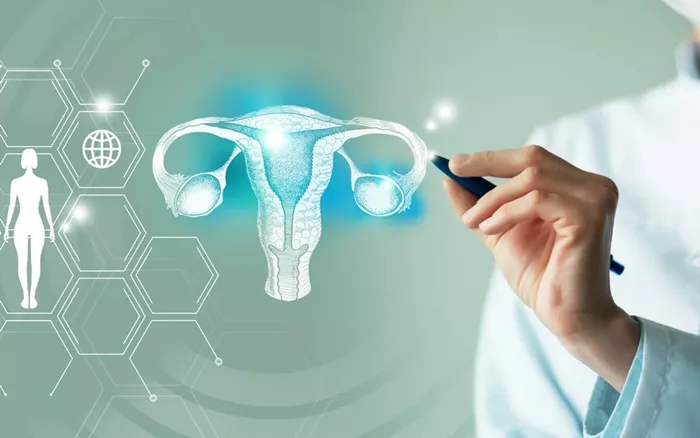
Christiane Amanpour, the distinguished 67-year-old British-Iranian journalist and CNN’s chief international anchor, has revealed that her ovarian cancer has returned. Speaking on the “Changing the Ovarian Cancer Story” podcast, released on October 23, Amanpour shared an emotional update about her ongoing health battle. This news comes four years after she first disclosed her diagnosis and completed several rounds of chemotherapy.
In her conversation with host Hannah Vaughan Jones, Amanpour expressed optimism and resilience, emphasizing that her condition is “very well-managed.” Her openness once again underscores the importance of raising awareness about ovarian cancer—a disease often diagnosed at an advanced stage due to its subtle symptoms.
Understanding Ovarian Cancer and Its Hidden Threats
Ovarian cancer has long been described as a “silent killer,” largely because its early symptoms are easy to overlook. According to the Mayo Clinic, the disease is typically not detected until it spreads to the pelvis or abdomen, which complicates treatment outcomes. Common symptoms include:
- Abdominal bloating or swelling
- Feeling full quickly while eating
- Unexplained weight loss
- Frequent urination
- Changes in bowel habits
- Pelvic discomfort or pressure
These nonspecific signs often mimic other, less serious conditions, delaying early diagnosis. This makes public figures like Amanpour—who use their platform to speak about their experiences—vital in promoting awareness and early medical intervention.
‘I Have Been So Lucky’: Amanpour’s Reflection on Her Diagnosis
During the podcast, Amanpour recalled her initial reaction to being diagnosed with ovarian cancer. Her oncologist, Dr. Angela Georg, who also appeared on the show, described her case as a “rare kind of ovarian cancer.”
“I didn’t know how long I’d had it,” Amanpour shared, adding that she was uncertain until post-surgery results confirmed her condition. She credited her doctor for identifying that she was “potentially lucky” because she experienced pain symptoms—something that many ovarian cancer patients do not.
“Angela told me that pain was actually a good sign,” Amanpour said. “Because many women feel nothing at all until it’s too late. I consider myself fortunate to have been able to detect it early enough.”
Global Statistics: The Silent Burden of Ovarian Cancer
Ovarian cancer remains one of the deadliest cancers affecting individuals with female reproductive systems. According to the National Cancer Institute, it accounts for about 2% of all cancer-related deaths as of 2025, with a five-year relative survival rate of approximately 52%. Data from the Centers for Disease Control and Prevention (CDC) also show that ovarian cancer causes more deaths than any other gynecologic cancer.
A 2018 study reported that the lifetime risk of developing ovarian cancer is about 1.3%, meaning roughly one in 78 people with female reproductive organs will be affected by the disease. These statistics highlight the critical need for research, early detection, and public education.
Raising Awareness Through Transparency
Amanpour’s decision to publicly discuss her illness in 2021 was motivated by a desire to serve others facing similar health challenges. “I wanted to do a service, not just to my viewers, but also to those who might be in a similar situation,” she explained. “I wanted to say what had happened to me—and to encourage everyone to listen to their body.”
Her proactive approach, she said, played a major role in her receiving timely care. “Part of the reason I got such quick treatment was because I didn’t ignore the signs. I went straight to my doctors.”
Conclusion
Christiane Amanpour’s courageous decision to share her ongoing battle with ovarian cancer sheds light on a disease that often hides in silence. Her words remind the public that vigilance and early medical attention can make a profound difference in outcomes.
As she continues her treatment, Amanpour’s story serves as a powerful call for awareness, research funding, and regular medical checkups. Her journey demonstrates not only personal strength but also the vital importance of speaking openly about women’s health issues that too often go unnoticed.
Related topics
