
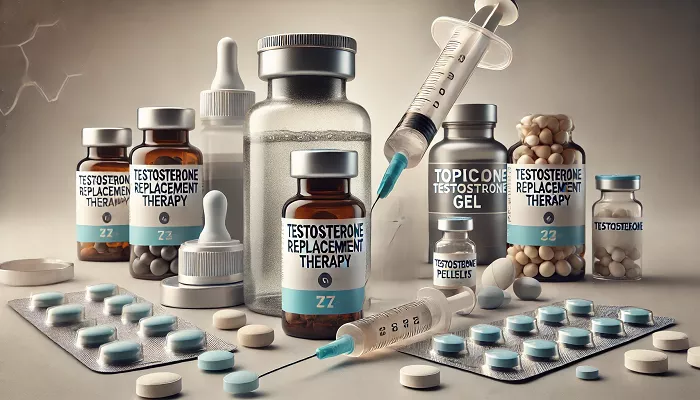
Testosterone replacement therapy (TRT) represents a medical intervention designed to address clinically significant hypogonadism—a condition characterized by insufficient testosterone production accompanied by specific symptoms that impact quality of life.
While many men report improved energy, libido, and mood with TRT, treatment decisions require careful consideration of individual circumstances rather than automatic intervention for laboratory values alone. The therapy aims to restore testosterone levels to within normal physiological ranges while minimizing potential risks through proper patient selection and ongoing monitoring throughout the treatment period.
Evaluating Appropriate Candidates for Testosterone Therapy
TRT is specifically indicated for men with both biochemical confirmation of low testosterone (typically below 300 ng/dL) and clinically significant symptoms including sexual dysfunction, fatigue, depressed mood, and reduced muscle mass that affect daily functioning.
Age-related testosterone decline alone does not constitute an indication for treatment, particularly if asymptomatic, as natural variations occur without pathological significance. Comprehensive evaluation should exclude reversible causes such as obesity, sleep apnea, medication effects, or other endocrine disorders before considering TRT, ensuring that treatment addresses genuine hypogonadism rather than secondary conditions that might mimic symptoms.
Examining Treatment Modalities and Administration Methods
Various TRT formulations offer distinct pharmacokinetic profiles and practical considerations that influence treatment selection and adherence. Transdermal gels provide stable physiological levels through daily application but require careful application techniques to prevent secondary exposure to others through skin contact.
Intramuscular injections offer cost-effectiveness but produce fluctuating hormone levels that may cause mood swings and energy variations between doses. Nasal gels, buccal adhesives, and subcutaneous pellets present alternative delivery systems with specific advantages regarding convenience and consistency, with the selection process considering patient preference, lifestyle factors, and monitoring capabilities to optimize outcomes.
Assessing Potential Benefits and Therapeutic Outcomes
Appropriately selected patients often experience meaningful improvements in sexual function, energy levels, and mood stabilization when TRT addresses genuine hypogonadism with significant symptom burden. Some individuals report enhanced body composition through increased lean mass and reduced adiposity when combined with appropriate exercise and nutritional strategies.
Bone mineral density may improve with long-term therapy, particularly in osteopenic patients at risk for fractures, though response variability exists with approximately ten percent experiencing dramatic improvement while similar proportions notice minimal change despite adequate dosing and monitoring.
Understanding Safety Considerations and Monitoring Requirements
TRT carries several important safety considerations requiring ongoing monitoring to balance benefits against potential risks throughout treatment. Prostate health assessment through PSA testing and digital rectal examination is essential before initiation and during treatment to monitor for potential stimulation of undetected prostate conditions.
Hematocrit monitoring prevents erythrocytosis, which increases thrombosis risk and may require dose adjustments or therapeutic phlebotomy in some cases. Sleep apnea evaluation is recommended as TRT may exacerbate underlying conditions, while cardiovascular risk assessment remains important particularly in men with pre-existing heart disease or multiple risk factors.
Recognizing Potential Adverse Effects and Complications
Common side effects include acne, fluid retention, and gynecomastia that may require additional interventions or dose modifications to manage effectively. More serious concerns involve potential prostate stimulation, erythrocytosis, and fertility suppression due to suppressed spermatogenesis through feedback inhibition of pituitary gonadotropins.
Cardiovascular risk remains incompletely understood, with studies showing conflicting results regarding myocardial infarction and stroke risk, though recent large-scale trials suggest no overall increase in major adverse cardiac events but identified elevated risks of atrial fibrillation and thromboembolic events in specific populations.
Considering Special Population Considerations and Contraindications
TRT is contraindicated in men with prostate or breast cancer, severe lower urinary tract symptoms, untreated sleep apnea, or uncontrolled heart failure due to potential exacerbation of these conditions. Fertility concerns require special attention in younger men, as exogenous testosterone suppresses gonadotropin production potentially causing reversible or irreversible infertility depending on treatment duration and individual factors.
Alternative approaches using selective estrogen receptor modulators or human chorionic gonadotropin may preserve fertility while treating hypogonadism in men wishing to maintain reproductive capabilities during therapy.
Implementing Comprehensive Treatment Approach and Monitoring
Successful TRT management involves regular monitoring including hematocrit, PSA, and testosterone levels to ensure therapeutic efficacy while minimizing potential adverse effects. Symptom assessment and dosage adjustment optimize therapeutic outcomes while minimizing risks
with individualized targets based on clinical response rather than rigid laboratory values alone. Lifestyle modifications including weight management, exercise, and stress reduction complement pharmacological intervention, potentially enhancing treatment response and overall health outcomes beyond testosterone restoration alone.
Related topics
