
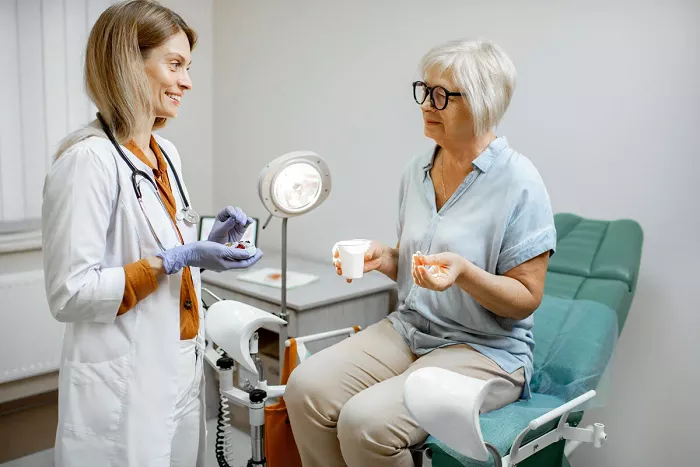
Uterine fibroids represent a common health concern affecting millions of women worldwide with approximately twenty six million cases in the United States alone. These noncancerous growths develop within the uterine wall and vary significantly in size number and symptom presentation across different individuals.
While many women remain completely asymptomatic others experience debilitating symptoms including heavy menstrual bleeding pelvic pressure urinary frequency and reproductive challenges that impact daily life.
The case of Ilene Kaplan illustrates how fibroids can significantly impact quality of life through physical discomfort and functional limitations despite initial reassurances about natural resolution during menopause. Understanding this variability helps healthcare providers develop personalized treatment approaches based on individual symptom profiles and patient needs.
Examining Diagnostic Challenges and Evolving Treatment Approaches for Fibroids
Fibroid diagnosis typically occurs through ultrasound imaging but comprehensive assessment requires consideration of symptom severity and impact on daily functioning beyond just imaging results. Traditional management often involved observation for asymptomatic cases with surgical intervention reserved for severe symptoms that significantly impacted quality of life.
However contemporary understanding recognizes that fibroid behavior varies considerably with some enlarging during perimenopausal hormonal fluctuations rather than shrinking as previously believed by many medical professionals. This evolving knowledge has transformed treatment paradigms emphasizing personalized approaches based on individual symptom profiles reproductive goals and overall quality of life considerations rather than one size fits all solutions.
Implementing Multidisciplinary Care Models for Comprehensive Fibroid Treatment
Effective fibroid management benefits from collaborative multidisciplinary approaches involving gynecologists radiologists urologists and primary care physicians working together. Specialty womens health centers have emerged as ideal settings for coordinating comprehensive care that addresses both physical symptoms and overall wellbeing through integrated approaches.
These centers facilitate communication among various specialists ensuring treatment plans consider all aspects of a patients health rather than focusing solely on organ specific concerns in isolation. The integration of various medical disciplines enables more nuanced decision making that balances intervention necessity with preservation of function and quality of life for each individual patient.
Exploring Medical and Minimally Invasive Treatment Options for Symptom Management
Various treatment options exist for managing uterine fibroids ranging from medication to minimally invasive procedures depending on symptom severity. Medical management often begins with hormonal therapies including oral contraceptives or gonadotropin releasing hormone agonists that can help control heavy bleeding and reduce fibroid size temporarily.
Minimally invasive procedures like uterine artery embolization use particles to block blood flow to fibroids while MRI guided focused ultrasound uses heat to destroy fibroid tissue without incisions. Surgical options include myomectomy for fibroid removal while preserving the uterus or hysterectomy for complete uterus removal in severe cases.
Treatment selection depends on factors like fibroid size location symptoms severity and patients reproductive plans requiring careful discussion between patients and their healthcare providers.
Addressing Quality of Life Considerations and Long Term Management Strategies
Uterine fibroids can significantly impact quality of life through various physical symptoms and emotional concerns that require comprehensive management approaches. Heavy menstrual bleeding can cause anemia and fatigue while pelvic pressure may lead to urinary frequency constipation and discomfort during daily activities. Emotional wellbeing may be affected by chronic pain fertility concerns and the stress of managing a chronic condition that affects daily life.
Long term management strategies include regular monitoring lifestyle modifications like maintaining healthy weight and stress reduction techniques that can help manage symptoms. Patient education about treatment options and self care practices empowers women to actively participate in their healthcare decisions and improve their overall quality of life.
Understanding Research Advances and Future Directions in Fibroid Treatment
Ongoing research continues to advance our understanding of uterine fibroids and develop new treatment approaches for better patient outcomes. Genetic studies are identifying specific gene mutations associated with fibroid development that may lead to targeted therapies in the future.
Investigation of racial disparities in fibroid prevalence and severity aims to address healthcare inequities and improve treatment access for all populations. New pharmaceutical options including selective progesterone receptor modulators show promise in managing symptoms with fewer side effects than traditional hormonal treatments.
Non invasive treatment techniques continue to evolve with improved imaging guidance and precision that may offer more effective options with faster recovery times. These advances promise more personalized and effective approaches to fibroid management that address both physical symptoms and overall quality of life concerns for patients.
Related topics:
