
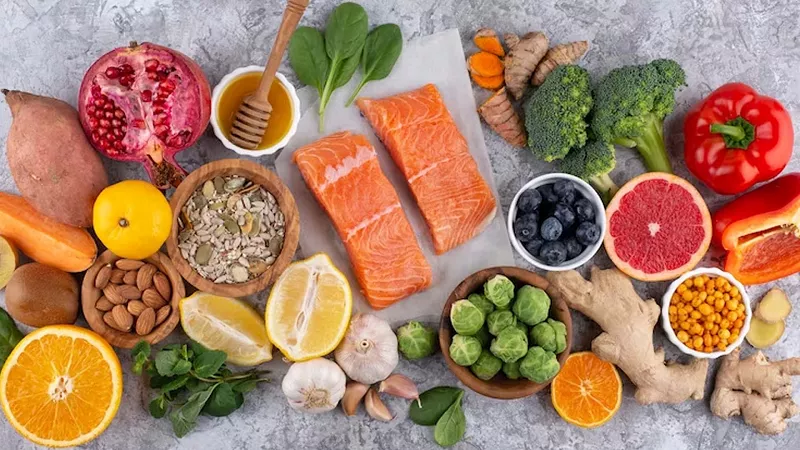
The anti-inflammatory diet developed by Dr. Andrew Weil represents a nutritional approach focused on reducing chronic inflammation through strategic food choices. This eating pattern emphasizes whole, minimally processed foods known for their inflammation-reducing properties, rather than functioning as a strict weight loss program.
While weight reduction may occur as a secondary benefit, the primary objective involves creating sustainable eating habits that support long-term health and disease prevention. The diet incorporates scientific understanding of how specific nutrients interact with inflammatory pathways in the body, providing a framework for making dietary decisions that promote overall wellbeing.
Examining Approved Foods and Nutritional Composition
This dietary approach carefully balances macronutrients, with 40-50% of calories derived from complex carbohydrates, including whole grains like brown rice and oats, legumes, and colorful fruits and vegetables. Healthy fats constitute 30% of daily intake, with emphasis on omega-3 rich sources such as avocados, nuts, fatty fish, and flaxseeds, while avoiding processed vegetable oils.
Protein comprises 20-30% of calories, primarily from plant sources like beans and soy, with limited animal proteins except for fish and certain dairy products. The diet explicitly excludes processed foods, high-fructose corn syrup, and partially hydrogenated oils, while allowing moderate consumption of red wine and dark chocolate with high cocoa content.
Implementing Practical Application and Lifestyle Integration
Adopting this eating pattern requires significant adjustments for most individuals, particularly regarding food preparation and shopping habits. Followers need to increase frequency of grocery shopping for fresh produce and seafood, while dedicating time to meal planning and preparation.
The diet demands complete avoidance of processed convenience foods, requiring homemade meals using whole ingredients. While offering flexibility within its framework, the program necessitates learning new cooking techniques, especially for seafood preparation and plant-based protein sources. Supplementary recommendations include specific vitamins and minerals, though scientific evidence supporting their necessity within a balanced diet remains limited.
Evaluating Health Benefits and Scientific Evidence
Research indicates that similar dietary patterns can reduce inflammatory markers, improve energy levels, and enhance physical function. Omega-3 fatty acids demonstrate particular effectiveness in managing inflammatory conditions like rheumatoid arthritis.
The diet’s emphasis on whole foods aligns with established heart-healthy recommendations, potentially benefiting cardiovascular health through reduced processed food consumption and improved lipid profiles. Weight loss resulting from this eating pattern may further reduce inflammation, given the established connection between excess body fat and systemic inflammation. However, specific claims regarding prevention of Alzheimer’s disease and cancer through dietary inflammation reduction require more substantial scientific validation.
Considering Dietary Adaptations and Special Requirements
The anti-inflammatory diet accommodates various dietary preferences and restrictions effectively. Vegetarians and vegans find the plan particularly suitable given its predominantly plant-based foundation. While not inherently gluten-free, individuals requiring gluten restriction can easily adapt the program by selecting appropriate grain alternatives.
Those with specific medical conditions, such as diabetes or hypertension, should consult healthcare providers to ensure appropriate modification of carbohydrate intake and sodium levels, respectively. The diet’s flexibility allows for customization based on individual health needs and food preferences, while maintaining core anti-inflammatory principles.
Assessing Limitations and Implementation Challenges
Significant barriers to adoption include the substantial time commitment required for food preparation and limited convenience options. The diet necessitates advanced cooking skills, particularly for seafood preparation, and may prove challenging for individuals with limited kitchen proficiency.
While the program encourages physical activity, it provides minimal specific guidance regarding exercise recommendations, potentially overlooking this crucial component of inflammation reduction. Cost considerations include not only potentially higher grocery expenses for quality ingredients, but also recommended supplements that may increase financial commitment. Long-term sustainability depends largely on individual motivation and willingness to maintain consistent food preparation habits.
Related topics
