
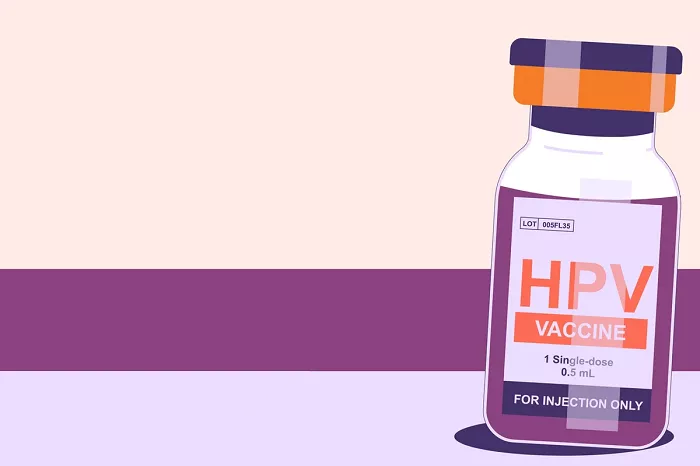
Human papillomavirus vaccination represents a significant public health advancement in preventing HPV-related cancers and conditions. Currently, two primary vaccines are available globally: Gardasil, which protects against four HPV types (6, 11, 16, 18) and is approved for both males and females aged 9-26, and Cervarix, which targets HPV types 16 and 18 and is approved for females aged 10-25.
These vaccines work by stimulating immune responses against specific HPV strains responsible for approximately 70% of cervical cancers and 90% of genital warts cases. The vaccination series typically involves two or three doses over six months, depending on the recipient’s age at initial vaccination.
Evaluating Vaccination Timing and Efficacy Considerations
Medical experts universally recommend HPV vaccination before sexual debut to maximize protection, with optimal administration occurring between ages 11-12. Research demonstrates superior immune responses in younger adolescents compared to older recipients. Despite CDC recommendations, vaccination rates remain suboptimal, with approximately 27% of adolescent females completing the full series in 2009.
Barriers include logistical challenges of multiple medical appointments and parental concerns about vaccine novelty. Importantly, studies confirm vaccination provides strongest protection when administered prior to HPV exposure, as vaccines cannot eliminate existing infections.
Addressing Parental Safety Concerns and Risk-Benefit Analysis
Parental hesitation often stems from vaccine relativeness newness (FDA approved in 2006-2009) and rare adverse event reports. However, extensive pre-licensure trials involving thousands of participants and post-marketing surveillance of millions of doses demonstrate favorable safety profiles.
Common temporary side effects include injection site pain, mild fever, and syncope (fainting), particularly in adolescents. Serious adverse events occur at rates comparable to background population rates, with no established causal relationship to vaccination. Ongoing monitoring through VAERS (Vaccine Adverse Event Reporting System) continues to reinforce vaccine safety.
Examining Real-World Effectiveness and Cancer Prevention Potential
Real-world data from vaccinated populations shows significant reductions in HPV infection rates, genital warts, and precancerous cervical lesions. Mathematical models project that with 80% vaccination coverage, HPV-related cancers could decrease by 90% over time.
Beyond cervical cancer prevention, vaccination reduces risks of anal, oropharyngeal, and other genital cancers in both sexes. The population-level impact extends through herd immunity when vaccination rates are high. These substantial benefits substantially outweigh the minimal risks associated with vaccination.
Navigating Practical Considerations and Access Challenges
Practical barriers include the multi-dose schedule requiring additional healthcare visits. Many healthcare systems have integrated HPV vaccination into routine adolescent check-ups to improve compliance.
Cost considerations have been addressed through insurance coverage mandates and programs like Vaccines for Children (VFC) for uninsured/underinsured youth. Healthcare providers play crucial roles in addressing parental concerns through clear communication about vaccine safety and effectiveness, ultimately supporting informed decision-making.
Considering Evolving Recommendations and Future Directions
Recommendations continue evolving as new evidence emerges. The CDC now recommends vaccination for all adolescents through age 26, with shared clinical decision-making for adults 27-45. Ongoing research explores single-dose efficacy, expanded valency vaccines, and therapeutic applications.
As vaccination programs mature globally, continued surveillance will provide additional long-term safety and effectiveness data, further informing vaccination policies and practices.
Related topics
