
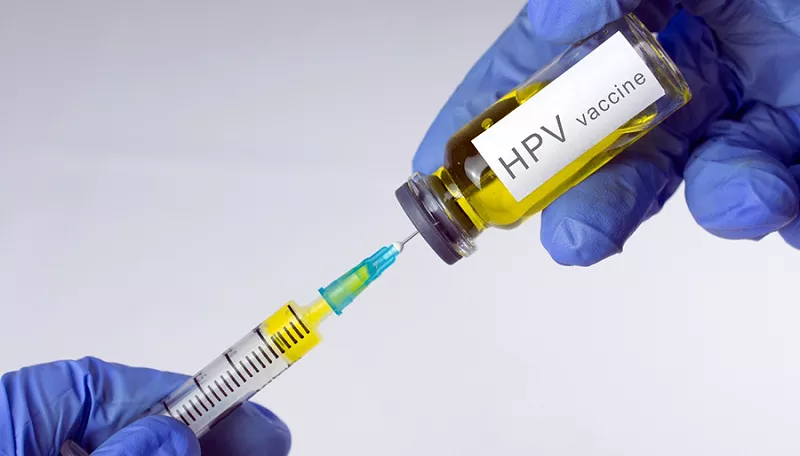
Human papillomavirus (HPV) represents one of the most common sexually transmitted infections globally, with over 200 related viruses affecting human health. This virus group includes both low-risk types that cause genital warts and high-risk types that can lead to various cancers. HPV transmission occurs primarily through skin-to-skin contact during sexual activity
allowing the virus to enter the body through microscopic tears in the skin or mucous membranes of the genital area, mouth, or throat. The insidious nature of HPV lies in its frequent asymptomatic presentation – most infected individuals show no visible symptoms yet can still transmit the virus to partners. While the immune system typically clears HPV infections within two years, persistent infections with high-risk strains can cause cellular changes that may progress to cancer over time.
HPV-Related Cancers and Disease Burden
The association between HPV and cervical cancer is well-established, with high-risk HPV types responsible for nearly all cervical cancer cases worldwide. However, HPV’s oncogenic potential extends beyond the cervix to include cancers of the vulva, vagina, penis, anus, and oropharynx (throat/tonsil area).
According to recent epidemiological data, HPV causes approximately 90% of anal cancers, 70% of oropharyngeal cancers, and significant percentages of other genital cancers. The American Cancer Society estimates that HPV-related cancers affect tens of thousands of Americans annually, with cervical cancer alone projected to cause over 4,000 deaths in 2025. These statistics underscore the critical importance of HPV prevention through vaccination and regular cancer screening programs.
HPV Vaccine Development and Effectiveness
The current HPV vaccine landscape in the United States features Gardasil 9 as the exclusively available option, providing protection against nine HPV types (6, 11, 16, 18, 31, 33, 45, 52, and 58). These targeted strains collectively cause approximately 90% of cervical cancers and the majority of other HPV-associated cancers and genital warts.
Clinical trials and post-marketing surveillance have demonstrated exceptional vaccine efficacy, with protection rates exceeding 90% against targeted HPV types when administered according to recommended schedules. The vaccine’s mechanism involves virus-like particles that mimic HPV’s outer protein structure, triggering immune response without containing infectious viral material. FDA approval expansion to include adults up to age 45 in 2018 significantly broadened the vaccine’s potential public health impact.
Vaccination Recommendations and Scheduling
The Centers for Disease Control and Prevention (CDC) recommends routine HPV vaccination at ages 11-12, though vaccination can begin as early as age 9. For individuals starting vaccination before their 15th birthday, a two-dose schedule (0 and 6-12 months) suffices.
Those initiating vaccination at age 15 or older, along with immunocompromised individuals, require a three-dose series (0, 1-2, and 6 months). Catch-up vaccination is recommended for all persons through age 26, while adults aged 27-45 may benefit from shared clinical decision-making with healthcare providers. The preferential recommendation for earlier vaccination stems from demonstrated higher immune response in younger adolescents and the advantage of pre-exposure immunization.
Safety Profile and Common Concerns
Extensive safety monitoring encompassing millions of vaccine recipients has established HPV vaccines as exceptionally safe. The most frequently reported adverse effects include injection site reactions (pain, redness, swelling), mild fever, headache, and fatigue – typical of many vaccines. Serious adverse events occur at rates comparable to background population rates, with no confirmed causal relationship to HPV vaccination.
Contrary to common misconceptions, the vaccine contains no live virus, mercury, or thimerosal preservatives. Post-vaccination syncope (fainting) represents the most significant immediate concern, particularly in adolescents, necessitating the standard 15-minute post-vaccination observation period. Ongoing surveillance continues to reinforce the vaccine’s favorable risk-benefit profile.
Practical Considerations for Vaccination Access
Most private insurance plans and public programs (including Medicaid and VFC) cover HPV vaccination according to ACIP recommendations. Adults beyond recommended ages may still benefit from vaccination, particularly if they have new sexual partners or anticipate potential future exposure.
Healthcare providers play a crucial role in addressing vaccine hesitancy through effective communication about HPV’s ubiquity and the vaccine’s cancer-prevention benefits. Regular cervical cancer screening remains essential for vaccinated women, as the vaccine doesn’t protect against all cancer-causing HPV types. The combination of vaccination and screening represents the most comprehensive approach to reducing HPV-related disease burden across populations.
Related topics
