
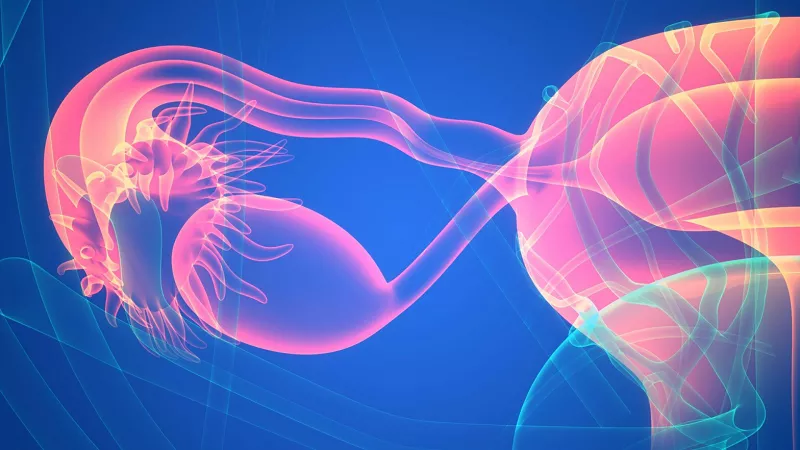
Ovarian cysts represent fluid-filled sacs that form on or within the ovaries, which are reproductive organs approximately 3-4 centimeters in size located on either side of the uterus. These cysts commonly develop during the normal menstrual cycle, particularly during ovulation when the ovary releases an egg.
The majority of cysts are functional, meaning they arise from the natural processes of the menstrual cycle and typically resolve spontaneously without intervention. There are various types of ovarian cysts, with functional cysts being the most prevalent category that includes follicle cysts and corpus luteum cysts. These generally pose no significant health risk and often disappear within two to three menstrual cycles without causing noticeable symptoms or requiring medical treatment.
Identifying Different Types of Ovarian Cysts and Their Characteristics
Beyond functional cysts, several other cyst types warrant medical attention due to their potential health implications. Dermoid cysts develop from embryonic cells and may contain various types of tissue, including hair, skin, or teeth, though they rarely become cancerous. Cystadenomas form on the outer surface of ovaries and can contain either watery fluid or thick mucus.
Endometriomas, also known as chocolate cysts, occur when endometrial tissue grows outside the uterus and attaches to the ovaries. While most cysts are benign, certain characteristics such as size, growth rate, and internal composition help determine whether they require more intensive monitoring or intervention. Regular gynecological examinations can detect these cysts early and monitor their development appropriately.
Recognizing Risk Factors and Potential Complications
Several factors increase the likelihood of developing ovarian cysts. Women taking fertility medications such as clomiphene or letrozole have elevated risk, as do those who are pregnant or have conditions like endometriosis. Previous pelvic infections or a history of ovarian cysts also contribute to increased susceptibility.
One significant complication involves cyst rupture, which can lead to internal bleeding, infection, or severe pain. Another serious condition called ovarian torsion occurs when a cyst causes the ovary to twist, potentially cutting off its blood supply. Larger cysts, particularly those exceeding 5 centimeters, present higher risks for such complications and typically require closer medical supervision.
Evaluating Symptoms and Emergency Warning Signs
While many cyst ruptures cause minimal symptoms, some present noticeable indications that warrant medical attention. Common symptoms include pelvic or abdominal pain, typically localized to one side, discomfort during sexual intercourse, abdominal pressure or bloating, changes in menstrual patterns, and urinary frequency.
Emergency symptoms requiring immediate medical intervention include sudden, severe abdominal pain, nausea, vomiting, dizziness, fever, visual changes, rapid heartbeat, weakness, or difficulty breathing. These signs may indicate significant internal bleeding or infection, necessitating prompt evaluation at an emergency facility. Early recognition of these warning signs can prevent serious complications and ensure appropriate treatment.
Implementing Diagnostic Procedures and Treatment Approaches
Diagnostic evaluation for suspected cyst rupture begins with a thorough medical history and pelvic examination. Ultrasound imaging provides detailed information about cyst size, location, and characteristics. Additional tests may include pregnancy tests, blood tests to assess iron levels and cancer markers, urinalysis, vaginal cultures, or CT scans for more comprehensive visualization.
Treatment strategies vary based on severity, with uncomplicated cases often managed through rest, over-the-counter pain medication, and heating pads. More severe cases may require intravenous fluids, stronger pain management, or surgical intervention. Laparoscopic surgery represents the most common surgical approach, involving small abdominal incisions and specialized instruments to remove the cyst or affected ovary while minimizing recovery time.
Conclusion
While not all ovarian cysts can be prevented, certain approaches may reduce recurrence risks and complications. Regular gynecological check-ups enable early detection and monitoring of cyst development. Hormonal contraceptives can help prevent the formation of new functional cysts in some women. Maintaining a healthy lifestyle with balanced nutrition and regular exercise supports overall reproductive health.
For women with recurrent cysts or specific risk factors, discussing preventive strategies with healthcare providers can help individualize management plans. Most importantly, understanding the difference between normal menstrual cycle-related cysts and those requiring medical intervention empowers women to seek appropriate care when necessary while avoiding unnecessary concern over typically harmless cysts.
Related topics
