
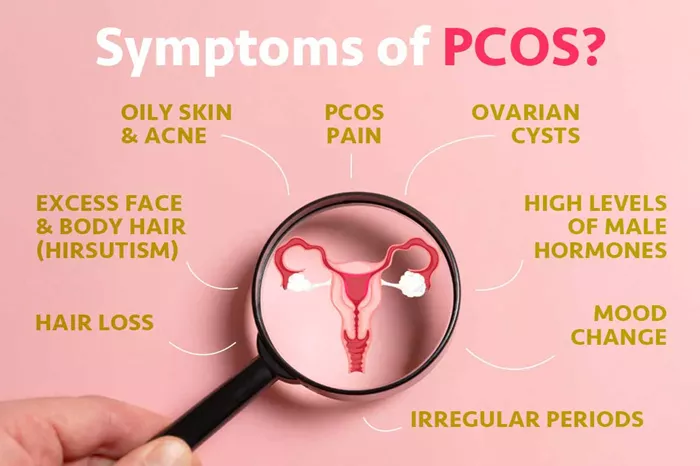
Pop star Bebe Rexha has revealed that she recently received a diagnosis of polycystic ovary syndrome (PCOS), a hormonal disorder that affects approximately one in ten women of reproductive age. The 33-year-old singer discussed her experience during an interview on Gayle King’s SiriusXM show, Gayle King in the House.
“I definitely have weight and appearance issues and it’s been hard for me. I just found out recently that I have PCOS and a lot of women have it. A lot of women have it and don’t know it,” Rexha said. She highlighted that weight gain is a particularly challenging symptom for her, reflecting a common struggle among women with this condition.
Understanding Polycystic Ovary Syndrome
Polycystic ovary syndrome is a complex hormonal disorder caused by an imbalance in androgen levels. Androgens, often referred to as male hormones, are present in women in smaller amounts, but elevated levels can disrupt reproductive and metabolic processes.
Women with PCOS may experience irregular menstrual cycles, making fertility more challenging. Other common manifestations include acne, excessive hair growth on the face and body, weight gain, and darkening of the skin in certain areas. Beyond these visible symptoms, PCOS is associated with more serious long-term health risks, such as metabolic syndrome, sleep apnea, endometrial cancer, and depression.
Fertility Challenges and Pregnancy Risks
One of the most significant concerns for women with PCOS is its impact on fertility. The hormonal imbalances characteristic of the syndrome can interfere with ovulation, making conception more difficult. Additionally, women with PCOS face higher risks of pregnancy complications, including miscarriages and gestational diabetes.
Healthcare providers often emphasize that lifestyle changes, such as weight loss and targeted treatments, can significantly improve fertility outcomes. Medications may also be prescribed to regulate menstrual cycles and promote ovulation, increasing the likelihood of a healthy pregnancy.
Approaches to PCOS Management
Effective management of PCOS typically involves a multifaceted approach, addressing both hormonal and metabolic concerns. Lifestyle interventions such as balanced nutrition, regular exercise, and weight management are often recommended as first-line strategies. For many women, these changes can reduce symptoms like weight gain, acne, and excessive hair growth while improving insulin sensitivity.
Medical interventions may include hormonal therapies to regulate menstrual cycles and fertility treatments to enhance reproductive outcomes. Additionally, mental health support is crucial, as women with PCOS are at higher risk for anxiety and depression. Regular monitoring and comprehensive care from a healthcare provider can help women navigate the physical and emotional challenges of PCOS.
Conclusion
Rexha’s public disclosure highlights a broader issue: many women with PCOS remain undiagnosed and untreated. Awareness of the condition is critical, as early diagnosis can prevent long-term complications and improve quality of life. By speaking openly about her experience, Rexha contributes to breaking the stigma and encouraging women to seek medical guidance if they experience symptoms associated with PCOS.
Related topics
