
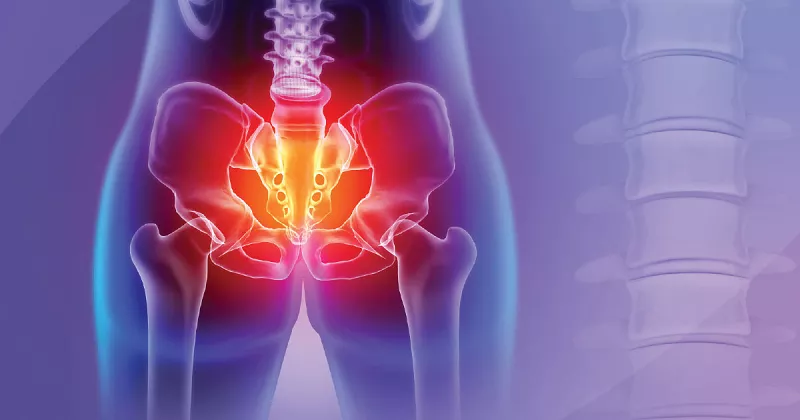
Pelvic pain represents a complex medical symptom that can originate from multiple systems within the pelvic region. While commonly associated with female reproductive health, pelvic pain affects individuals of all genders and may stem from urological, gastrointestinal, musculoskeletal, or neurological causes.
The pain can manifest as acute (sudden discomfort) or chronic (persistent pain lasting beyond six months). Proper diagnosis requires careful evaluation of the pain’s characteristics, including location, duration, intensity, and associated symptoms that may point toward specific underlying conditions.
Identifying Gender-Specific and General Causes of Pelvic Discomfort
Pelvic pain etiology varies significantly between biological sexes, with numerous overlapping and distinct causes. Common conditions affecting all individuals include appendicitis, urinary tract infections, kidney stones, intestinal disorders, nerve conditions, hernias, pelvic floor dysfunction, and psychological pain factors.
For those assigned female at birth, specific causes encompass ectopic pregnancy, miscarriage, pelvic inflammatory disease, ovulation pain, menstrual cramps, ovarian cysts, uterine fibroids, endometriosis, and reproductive cancers. Males may experience pelvic pain from prostatitis, testicular conditions, or prostate-related issues. Understanding these gender-specific considerations helps guide appropriate diagnostic evaluation.
Recognizing Associated Symptoms That Warrant Medical Attention
Several accompanying symptoms may indicate serious underlying conditions requiring prompt medical evaluation. These warning signs include worsening menstrual pain, painful intercourse, abnormal vaginal bleeding or discharge, painful urination, bowel movement changes
blood in stool or urine, fever, chills, hip or groin pain, and generalized abdominal discomfort. The combination of pelvic pain with these additional symptoms often provides crucial diagnostic clues that help healthcare providers determine the appropriate diagnostic pathway and urgency for intervention.
Implementing Comprehensive Diagnostic Procedures and Tests
Diagnostic evaluation typically begins with detailed medical history assessment and physical examination, including pelvic examination for female patients. Common diagnostic tests include blood and urine analyses, pregnancy testing for reproductive-aged individuals, STI screening through vaginal cultures
and various imaging studies such as ultrasound, CT scans, or MRI. Advanced procedures may include diagnostic laparoscopy for direct visualization, hysteroscopy for uterine examination, lower endoscopy for bowel assessment, and bone density screening when indicated. This systematic approach helps identify the pain source while ruling out serious conditions.
Developing Targeted Treatment Strategies Based on Underlying Causes
Treatment approaches vary significantly depending on the diagnosed condition. Infectious causes typically require antibiotic therapy, while inflammatory conditions may respond to anti-inflammatory medications. Surgical intervention becomes necessary for conditions like ectopic pregnancy, appendicitis, or certain structural abnormalities.
Chronic pain conditions often benefit from multimodal approaches, including physical therapy, pain management techniques, and psychological support. The treatment plan should address both symptom relief and underlying pathology while considering the patient’s overall health status and personal preferences.
Considering Multidisciplinary Management for Complex Cases
Complex or chronic pelvic pain frequently requires collaborative care from multiple specialists, including gynecologists, urologists, gastroenterologists, pain specialists, and mental health professionals. This team-based approach ensures comprehensive evaluation and management of contributing factors, ranging from physical conditions to psychological components.
Patients benefit from individualized treatment plans that may combine medications, physical therapy, dietary modifications, stress reduction techniques, and procedural interventions when appropriate. Regular follow-up and treatment adjustment help optimize outcomes for individuals experiencing persistent pelvic pain concerns.
Related topics:
