
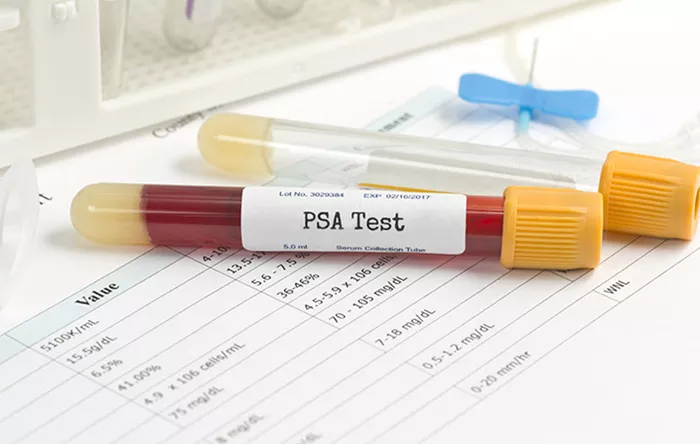
A new study from the University of Oxford suggests that many doctors are testing men for prostate cancer more often than needed — and in many cases, testing men who are unlikely to benefit from screening.
The research, published in the BMJ, analyzed data from more than 10 million men in England and found that prostate-specific antigen (PSA) testing has surged in recent years, even among men without symptoms or risk factors. The findings raise fresh concerns about “overtesting” and the unintended consequences that can follow.
Widespread Testing, Mixed Benefits
Prostate cancer is the most commonly diagnosed cancer among men in the United Kingdom, with around 55,000 new cases each year. PSA testing, which measures levels of a protein produced by the prostate, can help detect potential cancer early. However, medical experts have long debated its benefits and risks.
While early detection can save lives, the PSA test isn’t foolproof. Elevated PSA levels can be caused by benign conditions like infections or an enlarged prostate, while some aggressive cancers may not cause high PSA levels at all.
Overreliance on PSA testing, researchers warn, can lead to overdiagnosis — identifying cancers that would never have caused harm — and overtreatment, which may result in serious side effects such as erectile dysfunction or urinary incontinence.
Testing Patterns Suggest Overuse
Between 2000 and 2018, researchers examined health records from more than 10 million men aged 18 and older across 1,442 general practices in England. Of those, about 1.5 million men received at least one PSA test during the study period, resulting in nearly 3.9 million tests overall.
Testing rates increased fivefold during that time, with many men receiving repeat tests far more frequently than guidelines recommend. Notably, over three-quarters of those retested had no documented symptoms, and most never had PSA levels high enough to warrant additional screening.
Older men — particularly those over 70 — were tested most often, despite limited evidence that frequent PSA testing benefits this age group. At the same time, testing was more common among white men and those living in less deprived areas, suggesting possible disparities in access and awareness.
Celebrity Influence and Public Awareness
The researchers also pointed to “unpredictable surges” in PSA testing following publicized cancer diagnoses among well-known figures. For example, Olympic cyclist Sir Chris Hoy revealed in 2024 that he had been diagnosed with stage 4 prostate cancer, sparking renewed calls for widespread screening.
While such awareness campaigns can encourage men to take charge of their health, experts warn that blanket screening efforts may not always serve patients’ best interests.
Dr. Juan Franco, who co-authored an editorial linked to the study, said, “Unregulated PSA testing will result in large costs and harms and increase the incidence of prostate cancer that would otherwise remain undetected — while doing little to identify the cancers most likely to cause symptoms and death.”
Calls for Updated Guidelines
Currently, the UK’s National Institute for Health and Care Excellence (NICE) recommends PSA testing only for men with symptoms suggestive of prostate cancer, or those at higher risk based on age, family history, or ethnicity. For men with low-risk cancers, NICE advises “active surveillance” rather than immediate treatment.
However, these guidelines have not been updated since 2021 — and the Oxford team argues that newer evidence supports a fresh review. They call for clearer direction on when PSA testing should be used, particularly for men outside the typical age range or those with unrelated urinary or sexual health issues.
In response, a NICE spokesperson said the agency is “committed to ensuring our guidelines reflect the best available evidence” and confirmed that an update to the prostate cancer guidance is underway.
Conclusion
Experts agree that PSA testing can be a valuable tool — but only when used wisely. For now, men are encouraged to talk with their healthcare providers about their individual risks and the pros and cons of screening.
As researchers continue to refine how best to use PSA testing, the goal remains clear: to detect dangerous cancers early while avoiding unnecessary anxiety, procedures, and harm.
Related topics
