
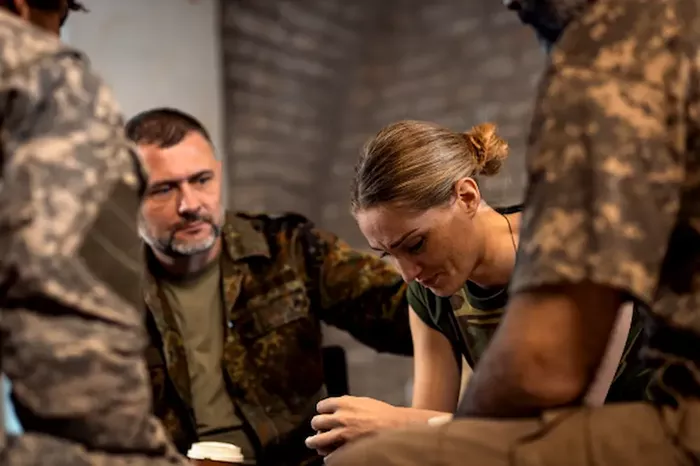
A new meta-analysis highlights that combining psychotherapy and medication may offer the most effective PTSD treatment for military populations, challenging current guidelines that prioritize trauma-focused therapy alone.
Comprehensive Review of PTSD Treatments in Military Populations
The meta-analysis published in The Journal of Clinical Psychiatry examined over 400 studies focused on posttraumatic stress disorder (PTSD) treatments among military personnel and veterans.
Researchers evaluated the effectiveness of psychotherapies, pharmacotherapies, and their combination using both clinical assessments and patient self-reports. The key findings include:
All PTSD treatments showed significant positive effects.
Clinician evaluations revealed greater symptom improvement than patient self-reports.
Combination therapies—integrating both psychotherapy and pharmacological treatments—produced the strongest outcomes, surpassing single-treatment approaches.
Implications for PTSD Treatment Guidelines
Current U.S. Department of Veterans Affairs (VA) and Department of Defense (DoD) guidelines emphasize trauma-focused psychotherapies such as cognitive processing therapy, prolonged exposure therapy, and eye movement desensitization and reprocessing (EMDR) as first-line treatments.
However, this analysis suggests that including medications like SSRIs and SNRIs along with therapy better addresses the complex psychological and biological factors underlying PTSD in military populations.
Medications can quickly reduce symptoms such as anxiety and mood disturbances, improving patient engagement in psychotherapy. Dr. Talma Hendler, Chief Medical Scientist at GrayMatters Health, emphasizes that pharmacological or neurofeedback interventions targeting biological mechanisms could reduce time required in therapy and improve cost-effectiveness.
Addressing Military Culture and Treatment Challenges
The study also acknowledges the role of military culture, which values resilience and duty but may also discourage seeking mental health support due to stigma or career concerns. The authors recommend clinicians adopt flexible, patient-centered treatment plans that consider individual preferences, symptom severity, and logistical barriers to enhance long-term recovery.
Dr. Hendler notes the current lack of clear guidelines to match patients with the most suitable treatments and calls for research identifying PTSD subtypes characterized by specific psychological and biological profiles.
Conclusion
The authors advocate for continued research to refine combination therapies, evaluate long-term effects, and explore how cultural and environmental factors impact treatment success. Expanding beyond trauma-focused psychotherapy to integrated, evidence-based approaches holds promise for improving outcomes in military PTSD care.
Related topics
Shamans Openly Use Psychedelic Drugs to Address Mental Health in South Africa
Couples Therapy Virtual: Top Online Platforms and Benefits in 2025
Experimental PTSD Treatment Shows Promise in Reducing Severe Anxiety
