
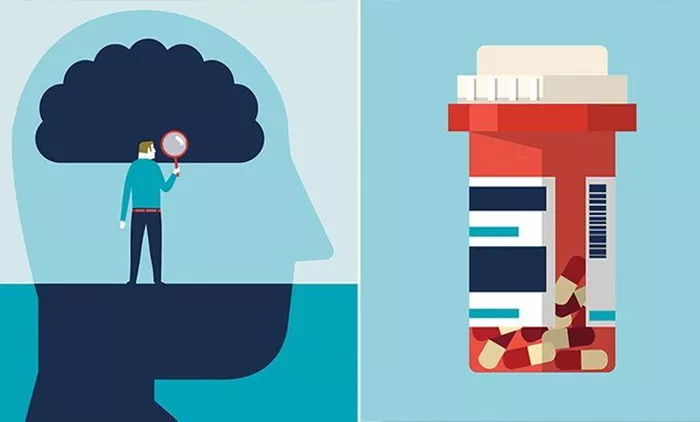
Generalized anxiety disorder (GAD) affects approximately 20 million adults in the United States, or about one in every 20. For those with severe symptoms, anxiety can be debilitating, leading to social isolation, difficulty maintaining employment, and disrupted family life. Standard medications such as SSRIs often provide limited relief.
Dr. Jennifer Mitchell, a neuroscientist at the University of California, San Francisco (UCSF), is exploring a groundbreaking approach: a pharmaceutical formulation of LSD called MM120. Mitchell’s research spans treatments for drug and alcohol use disorders, PTSD, anxiety, depression, and stress-related conditions. Her work suggests that this novel therapy could deliver significant improvements where traditional drugs often fall short.
Understanding Generalized Anxiety Disorder
GAD is characterized by persistent, disproportionate worry that interferes with daily functioning. Patients frequently experience difficulty concentrating, memory lapses, indecisiveness, and chronic fatigue. Many report physical symptoms such as muscle tension, rapid breathing, insomnia, and even cardiovascular or gastrointestinal issues—reflecting the constant activation of the body’s stress response.
Traditional treatments, including SSRIs like Zoloft and Paxil, aim to stabilize serotonin levels. While these medications can reduce symptoms modestly, research shows an average reduction of only 1.25 points on a 56-point anxiety scale, leaving many patients without meaningful relief.
Why LSD?
Psychedelics, when used in controlled therapeutic settings, have shown potential to recalibrate mood and emotional responses. Previous studies, including trials using MDMA for PTSD, suggest these compounds can induce neuroplasticity—enhancing communication between brain regions and reducing rigid, negative thought patterns. MM120 leverages this mechanism, aiming to rewire brain circuits linked to chronic anxiety.
Evidence from Early Trials
A phase of the MM120 study, published in JAMA, evaluated approximately 200 participants with moderate-to-severe GAD over 12 weeks following a single dose of the drug. Results showed a five-to-six point reduction on the anxiety scale, far surpassing the effect of standard medications and, in some cases, shifting moderate GAD to a mild classification.
Side effects were generally mild or moderate, including visual distortions, hallucinations, nausea, and headaches. High doses increased side effects without improving efficacy, prompting researchers to adopt lower, safer doses alongside anti-nausea protocols.
Recruitment Challenges
Ironically, the patients who stand to benefit most—those with severe anxiety—are often the hardest to recruit. Many are reluctant to leave home, requiring skilled clinicians to build rapport and trust for meaningful participation.
Real-Time Health Analysis and Advice
Data Insight: Anxiety-related hospital visits have increased by approximately 15% over the past five years in the U.S., reflecting growing unmet needs in mental health care.
Health Advice: While MM120 is still experimental, patients with moderate-to-severe GAD are encouraged to maintain structured routines, cognitive-behavioral therapy, regular exercise, and consistent sleep hygiene, which have proven evidence for anxiety reduction. Those interested in novel therapies should consult licensed mental health professionals and explore clinical trials under medical supervision.
Dr. Mitchell remains cautiously optimistic: “We are seeing a treatment that not only alleviates anxiety but could transform the way we approach PTSD and related disorders. It’s a critical step forward for millions of Americans struggling silently.”
Related topics
BetterHelp Survey Highlights Need for Qualified Mental Health Support
PTSD: A Comprehensive Guide to Symptoms, Diagnosis, and Recovery
