
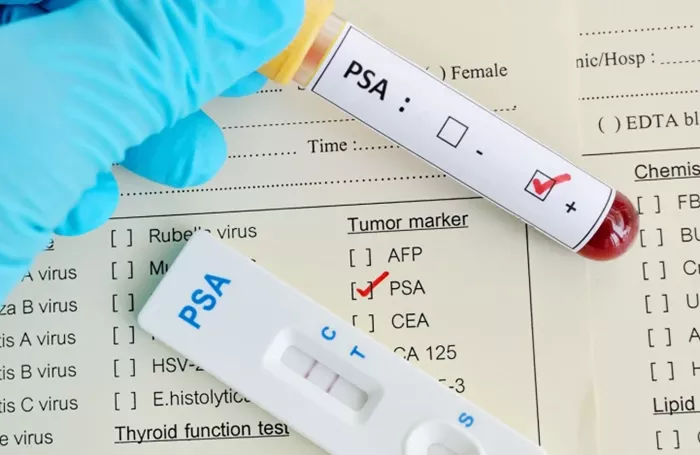
Prostate cancer remains one of the most common cancers affecting men worldwide, but early detection can dramatically reduce mortality. Medical experts increasingly emphasize the importance of a simple blood test—the PSA test—in identifying prostate cancer at its earliest stages. Evidence shows that early diagnosis through PSA screening can lower prostate cancer-related deaths by up to 50%.
Globally, prostate cancer ranks as the fourth most prevalent cancer and the second most common among men. According to 2022 data, there were approximately 1.47 million new prostate cancer cases reported worldwide, underlining the importance of public awareness and early detection.
Understanding the PSA Test
The Prostate-Specific Antigen (PSA) test measures the concentration of PSA, a protein produced by both normal and cancerous prostate cells, in the bloodstream. Elevated PSA levels can indicate prostate abnormalities, including inflammation, growth, or cancer. Physicians use PSA results as a key tool for early diagnosis—often before symptoms such as urinary difficulties or pelvic discomfort appear.
If PSA readings are higher than normal, follow-up procedures such as imaging or biopsy are typically recommended to confirm the presence of cancer. Studies show that early detection can reduce the risk of advanced-stage prostate cancer and death by 44%–50%, with some estimates attributing up to 70% of reduced mortality rates to PSA-based screening.
Symptoms and Early Warning Signs
Prostate cancer often grows slowly, and many men experience no symptoms in the early stages. When symptoms do appear, they may include:
- Weak or interrupted urinary stream, or difficulty starting or stopping urination
- Blood in urine (hematuria) or semen (hematospermia)
- Loss of bladder or bowel control, particularly when cancer has spread
Who Should Get Tested
Medical guidelines suggest men aged 50 and above discuss PSA testing with their healthcare provider. Men with a family history of prostate cancer or higher-risk ethnic backgrounds—such as African or South Asian descent—may benefit from earlier screening, starting between ages 40 and 45.
Physicians caution that PSA testing should be individualized. Elevated PSA levels do not always indicate cancer and can result from other prostate conditions. Interpretation by a qualified healthcare professional is essential.
Health Advice
Recent health data analysis indicates that men who undergo routine PSA testing combined with lifestyle modifications—including regular exercise, a balanced diet, and limiting alcohol and tobacco—experience significantly better outcomes. Early detection not only increases survival rates but also reduces the need for invasive treatments, preserving overall quality of life.
Experts recommend:
- Annual PSA screening for high-risk individuals
- Maintaining a healthy weight and diet rich in fruits, vegetables, and omega-3 fatty acids
- Regular consultations with a urologist for men over 50 or those with family history
By prioritizing early screening and preventive care, men can take proactive steps to minimize the risks of advanced prostate cancer and improve long-term health outcomes.
Related topics
