
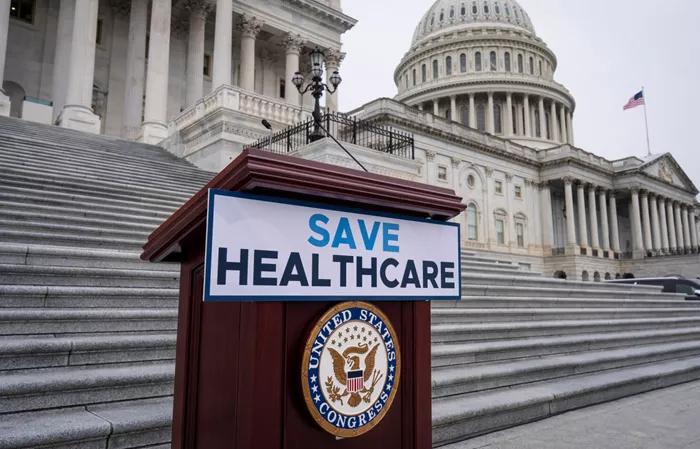
As the government shutdown drags on, a fierce dispute over extending Affordable Care Act (ACA) tax credits is at its center, impacting millions who rely on subsidies for health insurance affordability. Democrats urge immediate extension before the November 1 enrollment deadline, while Republicans argue there is still time since current credits don’t expire until December. This standoff affects real health coverage for 24 million Americans purchasing plans through ACA marketplaces.
Widespread Public Support for Subsidy Extension
A recent Kaiser Family Foundation (KFF) poll shows 78% of Americans, across political lines, support extending the enhanced ACA premium tax credits beyond 2025. Independent surveys echo this sentiment, reflecting broad voter concern about losing health coverage.
Urgency Ahead of Open Enrollment
Open enrollment for ACA plans begins November 1. North Dakota Insurance Commissioner Jon Godfread, leading the National Association of Insurance Commissioners, stresses that extension should happen before this date to ensure consumers see subsidized prices immediately upon shopping. Failure to act timely risks deterring those seeking coverage if premiums appear unaffordable without subsidies.
Projected Premium Surge Without Subsidies
KFF analysis forecasts an average 114% increase in premiums if enhanced tax credits expire, doubling costs for many enrollees. This spike may push millions toward uninsurance, with the Congressional Budget Office estimating 4 million more uninsured Americans in coming years under that scenario.
Majority of Enrollees Reside in Trump-Won States
Over 75% of ACA marketplace enrollees live in states won by former President Trump in 2024. Enrollment in southern states such as Texas and Georgia has tripled over five years, illustrating the plan’s critical role in rural and small-business communities.
High Federal Cost Sparks Conservative Opposition
Extending enhanced subsidies would cost the government approximately $350 billion over the next decade, drawing strong pushback from conservative groups who label them as temporary pandemic relief that fuels rising health care costs. However, some Republicans advocate finding solutions to prevent premium spikes without cutting subsidies abruptly.
Real-Time Health Data Analysis and Advice
Data: Currently, 24 million Americans depend on ACA marketplaces, with premium rates set to double next year if subsidies lapse. Politically diverse public support for extension exceeds 75%, underscoring widespread demand for affordable coverage.
Health Advice: Individuals seeking ACA coverage should prepare to enroll before November 1 and verify subsidy availability to avoid premium shocks. Policymakers must prioritize subsidy extensions to maintain access and financial protection for vulnerable populations.
The unfolding health insurance debate is not just a political contest but a critical determinant of coverage stability for millions across the U.S. Swift legislative action could prevent severe premium increases and coverage losses, while delaying risks destabilizing the healthcare safety net.
Related topics
