
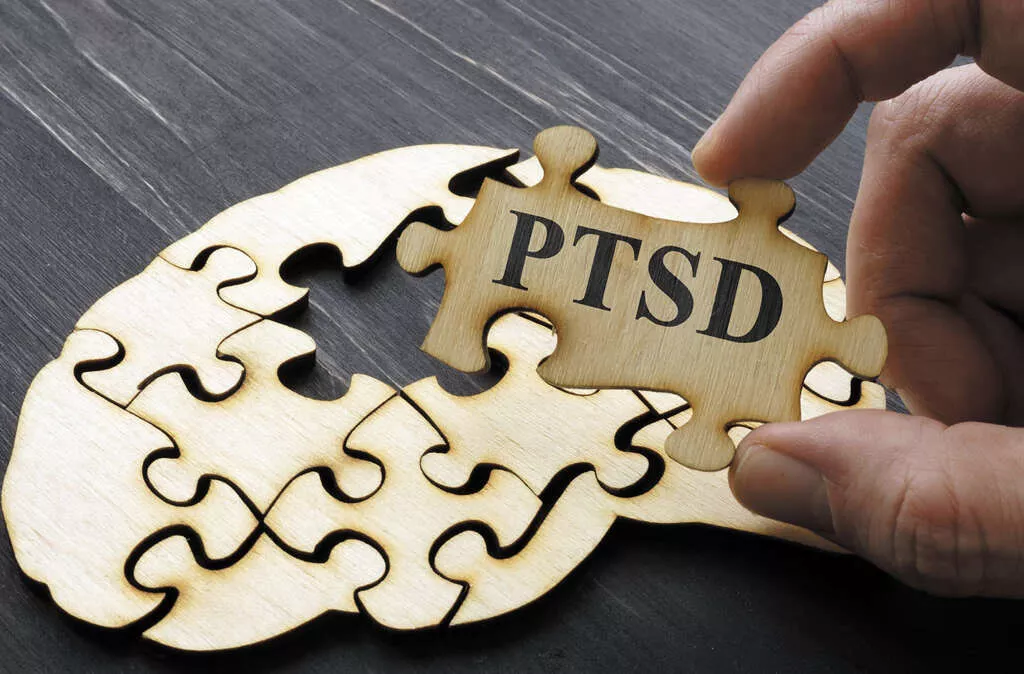
Complex Post-Traumatic Stress Disorder (C-PTSD) is a psychological condition resulting from prolonged or repetitive traumatic experiences, particularly those involving interpersonal harm where escape was difficult or impossible. First conceptualized by Dr. Judith Herman in 1988, C-PTSD shares core features with PTSD but includes additional symptom clusters related to emotional regulation, self-concept, and relationships.
While the DSM-5 categorizes C-PTSD under PTSD, the World Health Organization’s ICD-11 recognizes it as a distinct diagnosis. The condition typically arises from Type II trauma—chronic or repeated events such as childhood abuse, domestic violence, or long-term captivity—as opposed to Type I trauma (single-incident events like accidents or natural disasters). Approximately 90% of individuals with C-PTSD meet PTSD criteria, but the additional symptoms necessitate specialized treatment approaches.
Core Symptom Clusters and Clinical Presentation
C-PTSD encompasses six key symptom domains. The first three align with classic PTSD: re-experiencing (emotional flashbacks, nightmares, intrusive thoughts), avoidance (of trauma reminders, often through substance use or self-harm), and persistent threat perception (hypervigilance, exaggerated startle response).
The three distinctive clusters include: 1) Affective dysregulation—difficulty managing emotions, manifesting as explosive anger, dissociative episodes, or emotional numbness; 2) Negative self-concept—persistent feelings of shame, worthlessness, or guilt related to the trauma; and 3) Relational difficulties—impaired capacity to trust others or maintain healthy relationships. Unlike typical PTSD flashbacks which are visual, C-PTSD often involves emotional flashbacks where individuals re-experience the trauma’s emotional states without clear visual memories.
Risk Factors and Etiological Considerations
The primary risk factor for C-PTSD is exposure to chronic, interpersonal trauma where the victim perceives no viable escape. Common scenarios include childhood physical/sexual abuse, long-term domestic violence, human trafficking, torture, or being a prisoner of war. Additional risk factors include early-age trauma onset, multiple traumatic exposures, betrayal by caregivers, and absence of social support.
Neurobiological research suggests chronic trauma alters brain development in areas regulating emotion (amygdala), memory (hippocampus), and stress response (HPA axis), leading to persistent physiological hyperarousal and impaired emotional processing. The cumulative effect of repeated trauma distinguishes C-PTSD from single-incident PTSD, often resulting in more severe functional impairment.
Differential Diagnosis and Assessment Challenges
C-PTSD shares overlapping features with several conditions, necessitating careful differential diagnosis. Borderline Personality Disorder (BPD) particularly overlaps in areas of emotional instability and relational difficulties, but BPD doesn’t require a trauma history and involves more pervasive identity disturbance.
Other related conditions include Developmental Trauma Disorder (proposed for children) and Enduring Personality Change After Catastrophic Experience (ICD-10). Assessment typically involves structured interviews and validated scales like the International Trauma Questionnaire. Clinicians must carefully distinguish between C-PTSD and BPD, as treatment approaches differ significantly—while both may benefit from trauma-focused therapy, BPD typically requires more intensive dialectical behavior therapy.
Evidence-Based Treatment Approaches and Recovery Process
Effective C-PTSD treatment typically involves phased approaches: 1) Stabilization (safety planning, emotion regulation skills); 2) Trauma processing (once stability is achieved); and 3) Reintegration (applying new skills in relationships).
First-line treatments include trauma-focused Cognitive Behavioral Therapy (TF-CBT), which helps reframe trauma-related cognitions; Eye Movement Desensitization and Reprocessing (EMDR) for processing traumatic memories; and Skills Training in Affective and Interpersonal Regulation (STAIR) for emotional management.
Dialectical Behavior Therapy for PTSD (DBT-PTSD) combines acceptance and change strategies. While no medications are FDA-approved specifically for C-PTSD, SSRIs like sertraline may help manage comorbid depression or anxiety. Recovery is often gradual, requiring long-term support.
Management Strategies and Support Systems
Daily management of C-PTSD involves both professional treatment and self-care strategies. Grounding techniques (e.g., sensory awareness exercises) help during emotional flashbacks, while mindfulness practices can improve emotional regulation. Establishing safety through predictable routines and healthy boundaries is crucial.
Support systems should be educated about trauma triggers and avoidance behaviors—loved ones can assist by maintaining calm responses and encouraging treatment adherence. Peer support groups provide validation and reduce isolation. For those with C-PTSD, progressive exposure to previously avoided activities (guided by a therapist) helps rebuild a sense of competence. Ultimately, recovery focuses on developing post-traumatic growth rather than merely eliminating symptoms, emphasizing resilience and renewed life meaning.
Related topics
