
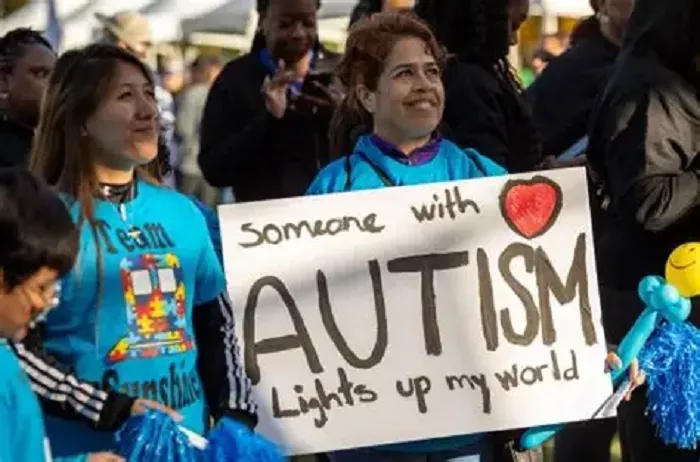
Autism Spectrum Disorder or ASD is a complex neurodevelopmental condition that affects how people communicate interact with others behave and learn. The term neurodevelopmental means the growth and development of the brain is affected. Autism is a spectrum disorder which means it manifests in a wide variety of ways and with varying degrees of intensity. Every autistic person has a unique set of strengths and challenges.
Core Characteristics of Autism
The core characteristics of autism are generally grouped into two main areas. Challenges in these areas can impact many aspects of life.
Social Communication and Interaction Challenges
Autistic individuals often find social interactions difficult. This can include trouble with back and forth conversation understanding nonverbal cues like gestures and facial expressions and difficulty developing and maintaining relationships appropriate to their age. They may also find it challenging to adjust their behavior to fit different social situations.
Restricted and Repetitive Patterns of Behavior
This category includes a range of behaviors and interests. This can involve repetitive movements speech or use of objects like hand flapping or repeating phrases. Autistic individuals often insist on sameness and have inflexible adherence to routines becoming very distressed by small changes. They may have highly restricted interests that are unusually intense or focused. They may also experience differences in how they react to sensory input such as being overly sensitive to sounds or textures or being fascinated by lights or movement.
Signs and Symptoms Across Ages
Signs of autism can often be observed in early childhood.
In Young Children
Signs may include not responding to their name by 9 months avoiding eye contact not showing facial expressions like happy or sad by 9 months or not playing simple interactive games like pat a cake by 12 months. Other signs are not pointing to show interest by 18 months or not noticing when others are hurt or upset by 24 months.
In Adults
Many adults learn to mask or camouflage their symptoms. Signs in adults can include difficulty understanding what others are thinking or feeling high anxiety in social situations preferring a strict routine and getting anxious if it changes and having a very keen interest in certain subjects. They may also come across as blunt or unintentionally rude.
Causes and Risk Factors
There is no single cause of autism. Research suggests that a combination of genetic and environmental factors influences development. Risk factors include having a sibling with ASD having certain genetic conditions like Down syndrome or Fragile X syndrome and having older parents. It is crucial to state that extensive scientific research has found no link between vaccines and autism.
Diagnosis
Diagnosis is based on observing behavior and development. There is no medical test like a blood test for autism. A comprehensive evaluation is conducted by specialists such as developmental pediatricians or psychologists. This involves parent interviews about the childs development and behavior and direct observation and interaction with the child. For adults seeking diagnosis the process involves interviews about their developmental history and current challenges.
Associated Conditions and Co occurring Disorders
Many autistic individuals have other medical or mental health conditions. Common co occurring conditions include attention deficit hyperactivity disorder or ADHD anxiety disorders depression epilepsy sleep disorders and intellectual disability. Some may also have gastrointestinal issues.
Management and Support
Autism is a lifelong condition and there is no cure. However a wide range of therapies and supports can significantly improve skills and quality of life. Management is highly individualized.
Therapeutic Interventions
Common therapies include behavioral approaches like Applied Behavior Analysis or ABA which aims to increase desired behaviors and reduce harmful ones. Developmental approaches like speech therapy and occupational therapy are also crucial. Speech therapy helps improve communication skills while occupational therapy helps with everyday tasks and sensory integration.
Support Strategies
Support often focuses on creating structure and safety. Using visual schedules can help with transitions. Providing a low stimulus quiet space can help with sensory overload. Using clear and concrete language aids understanding. The goal of support is not to change the autistic person but to help them navigate the world and build on their strengths.
The Importance of a Strengths Based Perspective
While autism presents challenges it is also associated with unique strengths. Many autistic individuals are honest and loyal have excellent attention to detail and can concentrate deeply on subjects of interest. They may think creatively and excel in fields like technology science and art. Recognizing and nurturing these strengths is a vital part of support.
Conclusion
Autism Spectrum Disorder is a different way of experiencing the world. Understanding the core characteristics recognizing the signs and providing early and appropriate support can make a profound difference in the lives of autistic individuals. The focus should be on acceptance understanding and providing the necessary tools for each person to thrive. If you suspect your child or you yourself may be autistic consulting a healthcare provider for an evaluation is the first step toward getting support.
Related topics
