
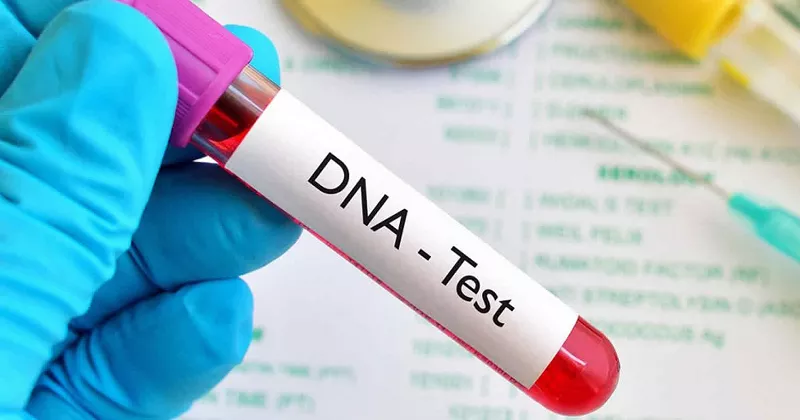
An individual’s risk for various health conditions, including prostate cancer, can be influenced by their genetic makeup. Researchers have identified that families can carry and pass down specific gene variants that significantly increase the likelihood of developing cancers such as breast, ovarian, and colon cancer. It is now understood that many of these same genes also play a critical role in elevating prostate cancer risk in men. When a person carries a genetic mutation associated with prostate cancer, it can profoundly impact their treatment options, future health decisions, and imply that their close relatives may also carry the same cancer-predisposing gene, necessitating informed family discussions and potential preventative measures.
Key Genes Known to Increase Prostate Cancer Susceptibility
Several specific genes have been extensively studied for their role in prostate cancer risk when they carry certain mutations. The most well-understood among these are the BRCA1 and BRCA2 genes, which normally function as tumor suppressors. Inherited mutations in these genes, particularly in BRCA2, are strongly linked to an increased risk of aggressive prostate cancer. Another critical group includes the DNA mismatch repair genes (MSH2, MSH6, MLH1, PMS2), where mutations cause Lynch syndrome, elevating risks for colorectal and prostate cancer. Additional genes like CHEK2, ATM, PALB2, and HOXB13 also contribute to risk, with HOXB13 mutations notably associated with early-onset prostate cancer diagnosed before age 55.
Identifying Who Should Consider Genetic Testing for Mutations
While genetic mutations do not account for the majority of prostate cancer cases, identifying them in specific scenarios is crucial. Genetic testing is strongly recommended for men diagnosed with metastatic prostate cancer, as approximately one in eight of these cases have an associated inherited mutation. Men with a personal history of high-risk or aggressive prostate cancer, coupled with a family history of other cancers (such as breast, ovarian, pancreatic, or colon cancer), should also discuss testing with their doctor. Even without a personal cancer diagnosis, men with a strong family history of these cancers may be candidates for genetic testing to assess their inherited risk.
How Genetic Information Can Directly Influence Treatment Strategies
Knowledge of a specific genetic mutation can directly and powerfully influence treatment decisions for men with prostate cancer. For instance, men with mutations in genes like BRCA1/BRCA2 may benefit from a class of drugs called PARP inhibitors, which are specifically designed to target cancer cells with certain DNA repair deficiencies. These tumors may also respond differently to specific chemotherapy regimens and immunotherapies. Furthermore, understanding that a man’s cancer is driven by an inherited mutation can signal to oncologists that the disease may be more aggressive, potentially justifying a more intensive treatment approach from the outset to achieve better long-term outcomes.
The Critical Role of Genetic Counseling and Family Implications
Before undergoing genetic testing, consultation with a genetic counselor is a vital step. These specialists help individuals understand the potential benefits, risks, and limitations of testing, including the psychological impact and implications for family members. A positive test result has ripple effects; it means that the mutation could have been inherited from a parent and may be passed to children, siblings, and other blood relatives. This information empowers entire families to consider proactive genetic testing and engage in enhanced cancer screening and prevention strategies, potentially saving lives through early detection and risk-reducing interventions.
Guiding Proactive Screening and Prevention for At-Risk Individuals
For men who have not been diagnosed with prostate cancer but are found to carry a high-risk genetic mutation, the information serves as a powerful tool for proactive health management. Healthcare providers may recommend initiating prostate cancer screening at an earlier age and with greater frequency than the general population, such as beginning PSA blood tests and digital rectal exams in their early 40s. This vigilant surveillance aims to detect any potential cancer at its earliest, most treatable stage. This knowledge also allows for screening of other associated cancers, providing a comprehensive and personalized prevention plan tailored to the individual’s unique genetic profile.
Related topics:
