
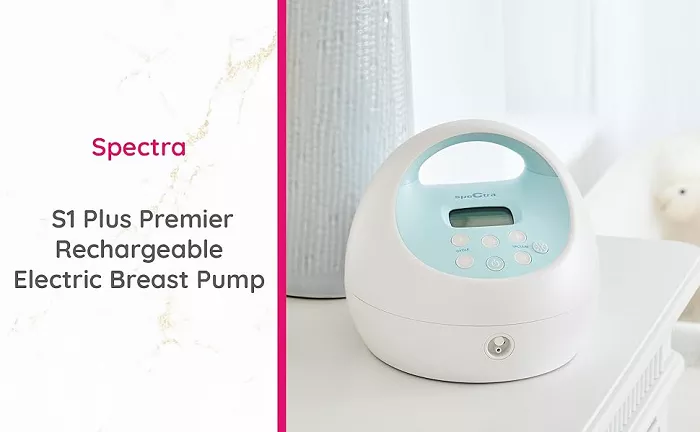
Breast engorgement is a common condition experienced by new mothers, characterized by breasts that become overly full with milk. This typically occurs during the initial stage of lactation, around three to four days postpartum, as the body transitions from producing small amounts of nutrient-rich colostrum to a more abundant milk supply. The increased blood circulation and lymphatic fluid in the breast tissue, combined with the incoming milk, cause the breasts to feel swollen, hard, warm, and tender. This engorgement is a natural sign that the milk production is establishing, but it can also result from infrequent feeding or pumping, leading to a buildup of milk that isn’t effectively removed.
Identifying the Symptoms and Potential Complications
The primary symptoms of engorgement include significant heaviness, warmth, and firmness in the breasts, often extending toward the armpits. The skin may appear shiny and stretched, and the nipples might become flattened, making it difficult for the baby to latch properly. While some tenderness is expected, severe pain is not normal and should be monitored. A key concern with untreated engorgement is that it can obstruct milk flow, potentially leading to blocked ducts and, subsequently, a painful breast infection called mastitis. Therefore, recognizing these signs early is crucial for preventing more serious issues and ensuring both maternal comfort and successful breastfeeding.
Effective Treatment Strategies and Immediate Relief Techniques
The most effective way to alleviate engorgement is to remove milk from the breasts regularly and efficiently. If the breast is too hard for the baby to latch, try “reverse pressure softening”: gently press around the base of the nipple with your fingers for about a minute to temporarily move some fluid back into the breast tissue, making it easier for the baby to feed. Applying a cool compress or cold cabbage leaves to the breasts for 15-20 minutes after feeding can help reduce swelling and inflammation. For pain relief, over-the-counter pain medication like ibuprofen can be used after consulting with a healthcare provider, as it is generally considered safe during breastfeeding. Ensuring a proper latch during feeds is also critical for effective milk removal.
Practical and Soothing Home Remedies for Management
Several home remedies can provide significant comfort. Taking a warm shower or applying a warm compress to the breasts for a few minutes beforefeeding can help trigger the “let-down” reflex, making milk flow easier. However, avoid excessive heat as it can increase swelling. Gentle breast massage, starting from the outer areas and moving toward the nipple during feeding or pumping, can help move the milk. It is also important to wear a supportive, well-fitting nursing bra that is not too tight, as restrictive clothing can worsen blocked ducts. Staying well-hydrated and maintaining a healthy diet supports overall milk production and recovery.
Proactive Measures to Prevent Engorgement
The best strategy against engorgement is proactive and frequent milk removal. In the early days, aim to breastfeed or pump every 2-3 hours, or whenever the baby shows hunger cues, to establish a consistent milk supply and prevent buildup. If the baby is not feeding effectively, using a hospital-grade electric pump after feeding can ensure the breasts are fully drained. Avoiding skipping feeds or introducing formula supplements without medical reason is key, as this signals the body to produce more milk than is needed, leading to engorgement. If you are struggling with latch issues, seeking help from a lactation consultant can provide tailored strategies for prevention.
Specific Guidance for Mothers Who Are Formula Feeding
For mothers who have chosen to formula feed, the body will naturally stop producing milk within a few days to a week. To manage the discomfort of initial engorgement, wear a firm, supportive bra (like a sports bra) around the clock, but ensure it is not so tight that it causes pain or increases the risk of mastitis. Apply cold compresses to the breasts to reduce swelling and ease discomfort. Avoid any stimulation of the breasts or nipples, including hot showers spraying directly on the chest, as this can stimulate more milk production. Over-the-counter pain relievers can be used as directed by a doctor. The engorgement should subside significantly within a few days as the body gets the signal to stop milk production. If you experience severe pain, fever, or redness, contact your doctor promptly
Related topics:
