
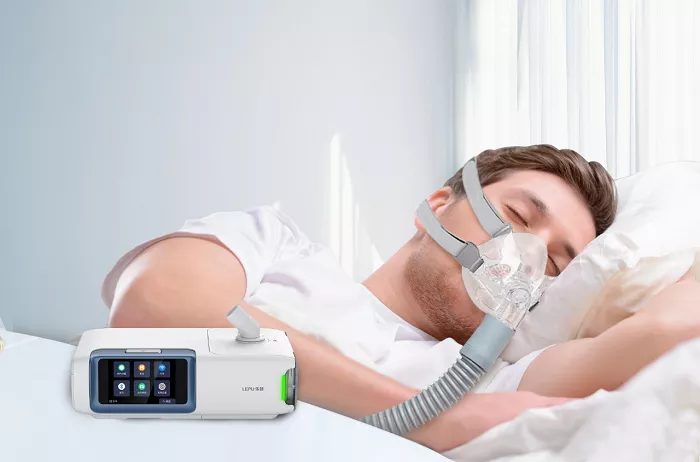
The air filter in your CPAP machine is its first line of defense against dust, allergens, and other airborne particles, preventing them from entering your airway. Replacing the filter on a regular schedule is a simple yet vital task for both machine longevity and your health. A clogged filter forces the motor to work harder, which can lead to overheating and reduced performance.
Most manufacturers recommend changing the standard white filter every month, while the thicker, gray hypoallergenic filters may last up to six months. Your machine will often alert you when a change is needed, but it is better to establish a monthly routine. Check your user manual for the specific type of filter required and the replacement procedure, which is typically a simple swap.
Preventing Water Damage Through Careful Tank Inspection
The water tank, or humidifier chamber, is crucial for comfort but is a common source of problems. Plastic tanks and their silicone seals can degrade over time, leading to leaks that can damage the machine and your nightstand. Make a habit of inspecting the tank daily before filling it.
Look for any hairline cracks, especially around the seams, and check that the sealing ring is clean, pliable, and properly seated. A clear sign of a failing seal is water pooling under the machine after use. To protect your furniture, consider placing the CPAP on a small waterproof mat or a folded towel. If you discover a leak, promptly order a replacement tank from your provider to ensure uninterrupted and safe therapy.
Maintaining Optimal Airflow with Hose and Mask Checks
The air delivery system, comprising the hose and mask, must be airtight for effective therapy. A leak anywhere in this system compromises the air pressure meant to keep your airway open. Listen for loud hissing sounds, which often indicate a leak. Common culprits are loose connections between the hose and the mask, or the hose and the machine itself.
Also, run your hand along the entire length of the hose while the machine is on to feel for any pinhole leaks. The mask seal against your face is the most frequent leak point. Ensure your mask cushion is clean and that the headgear is adjusted for a snug but comfortable fit, as a mask that is too tight can cause leaks and skin irritation.
Establishing a Consistent and Safe Machine Cleaning Routine
Proper cleaning is essential for preventing the buildup of bacteria, mold, and mineral deposits, which you then breathe in all night. The hose, mask, and water tank should be cleaned weekly with mild soap and warm water and allowed to air dry completely out of direct sunlight.
The machine itself does not need internal cleaning, but the exterior and the area where the tank sits should be wiped down regularly to prevent dust accumulation. Never use harsh chemicals, abrasive cleaners, or submerge the main unit in water. Many people find using specialized CPAP cleaning wipes convenient for quick daily cleaning of the mask cushion.
Understanding and Responding to Common Machine Alerts
Modern CPAP machines are equipped with smart alerts to help you manage your therapy. A common warning, often represented by a red “frowny face” icon, typically indicates excessive leakage. The first step is to check your mask fit, reseat the hose connections, and inspect the water tank seal.
Another common alert is related to the ramp feature or high pressure, which can often be adjusted in the settings. Familiarize yourself with your machine’s specific alarm messages by consulting the manual. Do not ignore these alerts, as they are designed to ensure you are receiving the correct therapeutic pressure.
Properly Managing Accidental Water Spills and Damage
Accidents happen, and knowing how to respond to a water spill can save your machine. If you knock over the tank and water spills into the main unit, your immediate action should be to unplug the device from the power source. Do not attempt to turn it on.
Wipe the outside dry and place the machine in a well-ventilated area to air out for at least 48 hours to ensure all internal components are completely dry. Attempting to use a wet machine can cause a short circuit and permanent damage. If after drying the device behaves erratically or makes unusual noises, contact your equipment provider immediately for a professional assessment or repair.
Related topics:
