
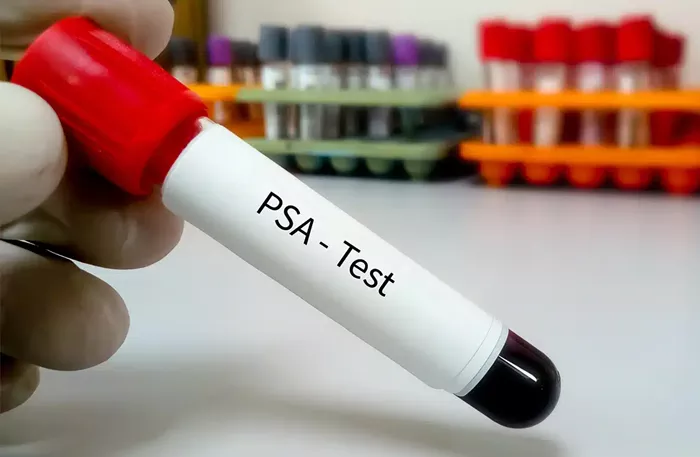
A large study from the University of Oxford analyzing medical records of over 10 million men in England reveals that prostate specific antigen (PSA) testing is often conducted more frequently than recommended, even in men without symptoms of prostate cancer.
Despite UK guidelines advising PSA tests primarily for men with symptoms or after shared decision-making with a doctor, many men undergo repeat testing regardless of symptom status or prior low PSA values, raising concerns about overtesting and unnecessary healthcare costs.
Prostate cancer remains the most frequently diagnosed cancer in the UK, but PSA screening is controversial because it can lead to the detection and treatment of harmless tumors that might never cause symptoms or affect life expectancy. The observational study found that PSA testing increased fivefold between 2000 and 2018, particularly among asymptomatic men and those with PSA levels below thresholds commonly regarded as a cause for referral.
Analyzing data from 1,442 general practices, the researchers found that 1.5 million men had at least one PSA test, totaling over 3.8 million tests. Men aged 70 and older—which is an age group less likely to benefit from frequent retesting—had the highest rates of PSA testing, and many younger men aged 18 to 39 were tested despite it generally not being recommended. Testing rates also varied by region, ethnic background, socioeconomic status, and family history of prostate cancer, with white men and those from less deprived areas tested most frequently.
Almost half of the men tested were retested, and over 75% of these retests occurred in patients without recorded symptoms. Additionally, 73% of retested men had PSA values consistently below the recommended referral thresholds. The average interval between tests was about 12 months overall, shorter than most guidelines suggest, especially for patients with low PSA values.
The study highlights inconsistent PSA testing guidelines internationally and within the UK, which contributes to unpredictable surges in testing, sometimes spurred by public figures sharing their cancer diagnoses and urging men to get screened. While PSA testing can aid early diagnosis when targeted appropriately, excessive PSA screening risks overdiagnosis and overtreatment, including unnecessary biopsies and treatment of indolent cancers.
UK guidelines recommend PSA testing primarily for men with symptoms such as lower urinary tract symptoms, erectile dysfunction, or visible blood in urine. Age-specific PSA thresholds guide referrals for further investigation, but there is no clear consensus on how often retesting should occur or when testing should stop. For asymptomatic men, the decision to undergo PSA testing is advised to be made through shared decision-making with healthcare providers, balancing potential benefits and harms.
Men with a raised PSA level may undergo further diagnostic procedures, including multiparametric MRI scans, which can reduce unnecessary biopsies by better identifying those at risk of significant prostate cancer. However, the PSA test is imperfect: it can miss some aggressive cancers and falsely indicate cancer risk in others due to PSA elevation from infections or benign conditions.
The authors call for more research to establish evidence-based intervals for PSA retesting and better guidance to ensure men who are most likely to benefit are screened while minimizing overtesting and unnecessary interventions. Enhancing clarity in guidelines and better patient education are imperative to optimize PSA testing usage and resource use in prostate cancer detection.
YOU MAY ALSO LIKE
Creatine: Beyond Muscle Building – 6 Surprising Health Benefits
