
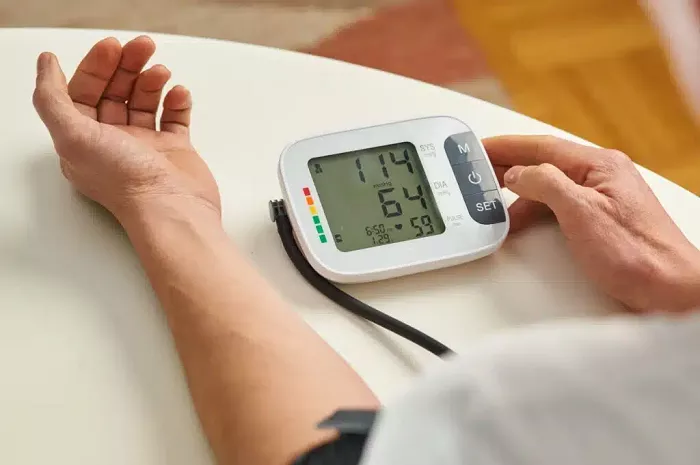
Blood pressure is a vital sign of cardiovascular health, but a single reading at the doctor’s office often fails to reflect the true picture. Home blood pressure monitoring provides long-term, dynamic data, helping physicians assess your health status more accurately. Whether you have hypertension or are simply health-conscious, understanding how to choose and use a blood pressure monitor correctly is essential.
Monitoring Principles and Device Types
Home blood pressure monitors measure pressure by detecting changes in arterial blood flow. When the cuff inflates to compress the artery and then slowly deflates, the device records the systolic pressure (high value) when blood flow resumes and the diastolic pressure (low value) when flow is fully restored. Based on the measurement location, there are two main types of monitoring devices:
Upper Arm Monitors measure pressure using a cuff wrapped around the upper arm, with the sensor aligned over the brachial artery. This design is closest to the professional method used in medical institutions, and its reliability is widely recognized by the medical community. It is important to note that the lower edge of the cuff should be two finger widths above the elbow crease, and the air tube port should be aligned with the midline of the arm.
Wrist Monitors operate on the principle of measuring pressure at the radial artery. They require the device to be held at heart level during measurement. Although portable, even a slight deviation in wrist angle can cause a reading error of 5-10 mmHg. Clinical studies suggest that wrist devices are more suitable for younger, frequently mobile individuals, while older patients are still advised to prioritize upper arm monitors.
Key Factors in Device Selection
When choosing a blood pressure monitor, three technical parameters are crucial. First, look for the clinical validation mark; devices certified by international standards like AAMI/ESH typically have an error margin within ±3 mmHg. Second, consider cuff size compatibility; standard cuffs (22-32cm) and large cuffs (32-42cm) must be precisely matched to the arm circumference. Finally, memory function is important; models that support dual-user storage of 200 or more readings each are ideal for family sharing.
Modern smart blood pressure monitors integrate several practical features. The irregular heartbeat detection feature can alert the user during measurement if an arrhythmia is suspected. Bluetooth connectivity allows for seamless synchronization of data with dedicated smartphone applications, enabling trend analysis and report generation. For multi-user households, devices that offer guest mode provide flexibility for occasional measurements without affecting primary user data.
Best Practices for Accurate Measurement
To ensure measurement accuracy, users should adhere to the following preparation guidelines: Avoid caffeine, tobacco, and exercise for at least 30 minutes prior to measurement. Rest quietly for 5 minutes in a seated position with back supported and feet flat on the floor. During the measurement process, ensure the arm is supported on a flat surface with the cuff at heart level. Remain still and refrain from talking until the reading is complete.
For patients managing hypertension, monitoring should be performed twice daily—once in the morning before taking medication and once in the evening. Each session should consist of two consecutive measurements taken one minute apart. Recording these values in a log or app helps track patterns and provides valuable data for medical consultations. It is recommended to bring the home monitor to the doctor’s office annually for a comparison check against the clinical device to verify its ongoing accuracy.
Conclusion
For most users seeking optimal accuracy, ease of use, and long-term value, a clinically validated upper arm monitor is the recommended choice. A model like the xxx monitor exemplifies these qualities, featuring a wide-range D-ring cuff, clear hypertension stage indicators, and an averaging function that automatically calculates the average of the last three readings. Its straightforward operation and reliable performance make it an excellent tool for effective health management.
Related topics:
