
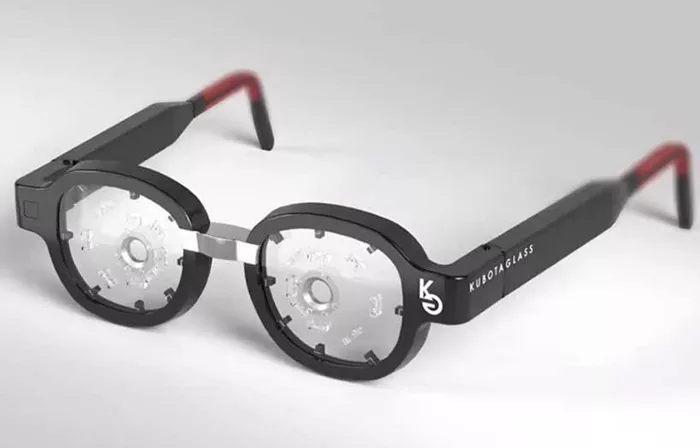
In a significant advancement for pediatric eye care, the U.S. Food and Drug Administration (FDA) has granted market authorization to Essilor’s Stellest eyeglass lenses. These lenses are the first of their kind to be clinically proven to slow the progression of myopia—commonly known as nearsightedness—in children aged 6 to 12. This approval marks a pivotal moment in addressing the growing global concern over childhood myopia.
Understanding Myopia and Its Implications
Myopia is a refractive error where distant objects appear blurry, and it is becoming increasingly prevalent worldwide. In the United States alone, approximately 40% of the population is affected by myopia, with the condition often worsening during childhood. If left unaddressed, myopia can lead to serious eye complications later in life, including retinal detachment, glaucoma, and cataracts.
How Stellest Lenses Work
The Stellest lenses utilize a technology known as Highly Aspherical Lenslet Target (HALT), which incorporates 1,021 micro-lenslets arranged in concentric rings around a central clear zone. This design creates peripheral defocus, which has been shown to slow the elongation of the eye—a primary factor in myopia progression. Clinical studies have demonstrated that children wearing Stellest lenses experienced a 71% reduction in myopia progression and a 53% reduction in eye elongation over a 24-month period compared to those wearing standard single-vision lenses.
Advantages Over Other Myopia Control Methods
Prior to the introduction of Stellest lenses, options for controlling myopia progression in children were limited to contact lenses and pharmacological treatments, which may not be suitable for all children. Stellest lenses offer a non-invasive alternative that is easier for children to use and carries a lower risk profile. Unlike contact lenses, which can be associated with complications such as infections, Stellest lenses are worn like regular eyeglasses and do not require special care routines.
Potential Impact on Vision Insurance Coverage
As the FDA has now approved Stellest lenses for myopia control, there is growing interest in whether vision insurance plans will cover their cost. Currently, coverage varies among insurers, and it remains uncertain whether Stellest lenses will be included in standard vision plans. However, if insurance providers recognize the clinical benefits of these lenses, they may consider offering coverage, making them more accessible to families.
What Parents Should Know
For parents considering Stellest lenses for their children, it’s important to consult with an eye care professional to determine suitability. The lenses are recommended to be worn for at least 12 hours per day to achieve optimal results. Additionally, parents should check with their insurance providers to understand potential coverage options and any associated costs.
In conclusion, the FDA’s approval of Essilor’s Stellest lenses represents a significant advancement in the management of pediatric myopia. These lenses offer a promising, non-invasive option for slowing myopia progression in children, potentially reducing the risk of serious eye conditions in adulthood. As insurance coverage evolves, more families may have access to this innovative treatment, leading to better long-term eye health outcomes for children.
YOU MAY ALSO LIKE
Millions Face Steep Health Insurance Cost Hikes if Subsidies Expire in 2026
Free Tool Helps Residents Claim Unclaimed Life Insurance Benefits
Elderly Gum Disease Soars 48%—Is Dental Insurance Keeping Up?
